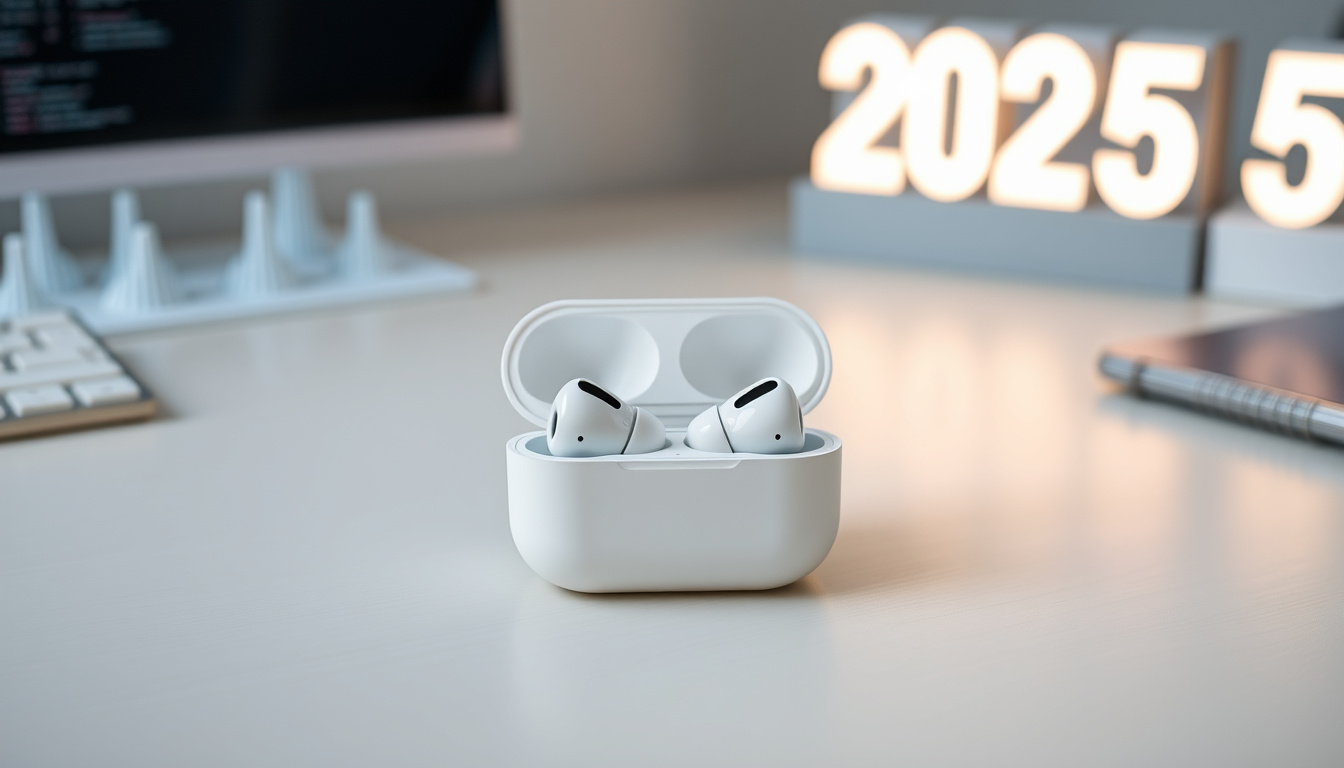

The AirPods 3rd generation have quietly become one of the most practical audio purchases in Apple’s lineup — offering spatial audio, IPX4 resistance, and ecosystem integration at a price point that undercuts the Pro line. Three years after their October 2021 launch, the question isn’t just whether they work well, but whether they still make sense against newer options. Here’s what you actually need to know before buying.
IP Rating: IPX4 ·
Key Audio Feature: Personalized Spatial Audio ·
Additional Tuning: Adaptive EQ ·
Resistance Type: Sweat and water resistant ·
Charging Options: Lightning or MagSafe
Quick snapshot
- IPX4 sweat and water resistance (Apple Compare)
- Personalized Spatial Audio with head tracking (Apple AirPods 4)
- 6 hours single-charge battery life (SoundGuys audio measurements)
- Real-world battery degradation after 3+ years of use
- How Apple will handle software updates for older AirPods generations
- Current street pricing vs. launch MSRP in 2025
- 3rd gen launched October 26, 2021 (PhoneArena release history)
- 4th gen announced September 9, 2024, released September 20, 2024 (Wikipedia AirPods timeline)
- 3rd gen likely to drop in price as retailers clear inventory
- Apple may position 3rd gen as the budget entry point
Is it worth getting the AirPods 3rd generation?
The AirPods 3rd generation occupy a specific sweet spot: they deliver spatial audio, IPX4 resistance, and Apple’s ecosystem integration at a price that undercuts the Pro line. For budget-conscious buyers who want solid Apple audio without ANC, they’re still a legitimate choice in 2025 — but the calculus shifts when you factor in what the newer 4th generation offers at the same price point.
Apple’s own comparison page confirms the 3rd generation carries an IPX4 rating for sweat and water resistance, placing it on equal footing with newer models in this critical category for gym-goers and commuters. The adaptive EQ automatically tunes music to your ear shape, and the spatial audio with dynamic head tracking (the same tech found in the Pro line) creates an immersive experience that many competitors still can’t match.
Pros and cons in 2025
The case for the 3rd generation rests on a few concrete advantages. Six hours of single-charge battery life outlasts the 4th generation’s five hours when ANC is active, and buyers who don’t need noise cancellation get a longer listening window. The Lightning charging case (with optional MagSafe compatibility) remains widely available, and Apple’s ecosystem still provides the seamless pairing and device-switching that Android alternatives struggle to replicate.
The trade-off is that the 4th generation delivers meaningful upgrades at the same launch price Apple charged for the 3rd gen three years earlier. The H2 chip enables Voice Isolation, better bass response, and smoother treble reproduction. USB-C charging aligns with newer Apple devices, and the slimmer earbud design offers a more natural fit for many users. Reviewers at RecordingNow note that the 4th gen improves upon the 3rd generation in every single category.
Upsides
- 6 hours battery per charge (longer than Gen 4 with ANC)
- IPX4 sweat and water resistance matches newer models
- Lower price as retailers clear 2021 inventory
- Lightning compatible for existing cable owners
- Personalized Spatial Audio with Dolby Atmos support
Downsides
- No Active Noise Cancellation
- Older H1 chip vs. Gen 4’s H2
- Lightning port (not USB-C)
- Less bass impact and clarity than Gen 4
- Bulkier case design
Value compared to newer models
The pricing equation matters here. Apple launched the AirPods 3rd generation at $179 in October 2021. The 4th generation ANC model debuted at $179 in September 2024 — the same price for substantially upgraded hardware. This means the 3rd generation’s value proposition depends heavily on how much retailers have discounted the older stock. If you find the 3rd generation below $120, it becomes an excellent budget option. Above $150, the math favors the 4th generation.
What you’re giving up with the 3rd gen is primarily ANC, the H2 chip’s audio processing, and USB-C. For casual listeners who primarily use earbuds at home or in quiet environments, the older model still handles the basics excellently. But if you commute, work in noisy spaces, or care about audio quality, the newer generation delivers a meaningful upgrade.
Buyers who don’t need Active Noise Cancellation effectively get 1 extra hour of battery per charge with the 3rd generation — a practical advantage that Apple doesn’t advertise prominently.
Are AirPods Gen 3 or 4 better?
Comparing the two generations requires breaking down specific categories: design, audio quality, battery life, and features. The 4th generation wins most of these matchups, but “better” depends on what you actually need from earbuds.
Key differences in design and features
Apple redesigned the 4th generation earbuds to be slimmer and more streamlined, addressing one of the 3rd generation’s minor criticisms — a slightly chunkier profile that didn’t fit every ear equally well. The RecordingNow comparison notes that the 4th gen provides a more natural fit and improved comfort for most users.
The most significant feature addition is Active Noise Cancellation. The 4th generation marks the first time Apple has included ANC in an open-ear design (not the Pro line). This capability was absent entirely from the 3rd generation and represents the primary differentiator for buyers who commute or work in noisy environments. The 4th gen also features Adaptive Audio, which blends ANC and Transparency modes based on your surroundings.
The chip upgrade from H1 to H2 enables Voice Isolation for clearer phone calls, faster device switching, and the audio processing improvements that produce better bass and clarity. Both generations support Personalized Spatial Audio with dynamic head tracking, but the 4th gen’s larger sound hole delivers more consistent sound quality regardless of how you position the earbuds.
The 4th generation with ANC carries the same launch price ($179) as the 3rd generation had at release — meaning Apple essentially replaced the older model with superior hardware at no additional cost. Buyers who pay full price for the 3rd gen in 2025 are paying more for less.
Performance upgrades in Gen 4
Audio measurements from SoundGuys reveal nuanced differences between the generations. Both handle mid-range frequencies similarly, but the 4th gen under-emphasizes the 3-6kHz range slightly (potentially reducing detail), while extending better beyond 10kHz for crisper high frequencies. The overall verdict: 4th gen has more bass impact and clarity, with smoother treble, due to the H2 chip’s processing.
Battery life tells an interesting story. The 3rd generation delivers 6 hours per charge, while the 4th generation delivers 5 hours — the reduction reflects ANC’s power draw. Total system battery (including the case) reaches 30 hours for the 4th generation without ANC active, which Apple’s official specs page confirms. For users who never enable ANC, the 4th generation offers identical total listening time with better audio processing.
Connectivity shifts from Bluetooth 5.0 (3rd gen) to Bluetooth 5.3 (4th gen), improving power efficiency and future-proofing for newer devices. The charging case moves from Lightning to USB-C on the 4th generation, aligning with modern MacBooks, iPads, and the iPhone 15/16 lineup.
Apple AirPods 4 vs. AirPods 3: What’s the difference?
Beyond the headline features, a detailed side-by-side comparison reveals how Apple positioned the two generations relative to each other. The specs tell the story clearly.
Six key differences define the gap: ANC availability, chip generation, Bluetooth version, charging port, earbud design, and dust resistance. The 4th generation’s IP54 rating adds dust protection that the 3rd generation lacks entirely.
Both models share spatial audio, adaptive EQ, sweat and water resistance (though different IP ratings), force sensor controls, and the same six-hour battery baseline. The 3rd generation’s lack of ANC and older H1 chip represent the meaningful performance gap that buyers need to weigh against pricing.
Audio quality and battery comparison
Sound quality differences are subtle in some areas and pronounced in others. The RecordingNow reviewer describes the 4th gen as having “more bass impact and clarity, smoother treble” — qualities that the H2 chip enables through improved audio processing. The 3rd generation’s sound is more balanced and neutral, which some listeners prefer for certain genres.
Battery comparison requires context. With ANC disabled, the 4th generation offers 5 hours per charge and up to 30 hours total with the case. The 3rd generation delivers 6 hours per charge — one hour more when noise cancellation isn’t a factor. This matters for users in quiet environments who want maximum per-charge listening time.
With ANC enabled (4th gen only), battery drops to 20 hours total. Buyers who rely on ANC will sacrifice some endurance compared to the 3rd generation, but gain the noise-blocking capability entirely.
Case and charging variances
The 4th generation case is smaller than its predecessor, fitting more easily in pockets. The USB-C port replaces Lightning, which Apple describes as part of a broader transition across its product lineup. Both cases support wireless charging, though the 4th gen’s MagSafe-compatible case works with the same Qi chargers.
The 3rd generation case retains Lightning, which remains convenient for users with existing Lightning cables from iPhones or iPads. For users upgrading from iPhone 14 or earlier, the Lightning case means they can share cables. For iPhone 15/16 users, the 4th gen’s USB-C case eliminates an extra cable from your bag.
Both cases include the Find My integration with the built-in speaker for locating misplaced earbuds. The 4th generation case adds Precision Finding support for those using compatible iPhones.
Apple positioned the 4th generation at the same launch price as the 3rd generation — but the 4th gen launched three years later with ANC, H2 chip, USB-C, and better audio. The older generation’s only path to relevance in 2025 is significant retail discounting.
Are AirPods 3rd generation old?
With the 4th generation arriving in September 2024, the 3rd generation technically sits two product generations behind Apple’s current offering. But “old” requires context — Apple maintains its older products longer than most manufacturers, and the 3rd generation remains a supported, actively-sold item rather than a discontinued legacy product.
Release timeline
Apple announced the 3rd generation on October 18, 2021, and released it on October 26, 2021, according to PhoneArena. That makes the product approximately three years old as of 2025. By comparison, the 2nd generation AirPods (March 2019) remained in Apple’s lineup until September 2022, suggesting Apple supports older products for 3-4 years before discontinuation.
The timeline shows Apple’s pattern: 1st gen (December 2016) → 2nd gen (March 2019) → 3rd gen (October 2021) → 4th gen (September 2024). The gap between 3rd and 4th generation (nearly three years) is the longest interval between standard AirPods updates, suggesting Apple refined the formula before releasing a new version.
For comparison, the 4th generation gap from the 3rd generation was 1,095 days — longer than the gap between 1st and 2nd generation (826 days) or 2nd and 3rd generation (915 days). This extended timeline indicates Apple was confident in the 3rd generation’s market position.
Current support status
Apple has not announced an end-of-life date for the 3rd generation, and the product remains available through Apple’s website and authorized retailers. iOS updates continue to support the H1 chip inside the 3rd generation, and Apple typically maintains software compatibility for older hardware for several years beyond launch.
The practical reality: “old” doesn’t mean “obsolete” in Apple’s ecosystem. The 3rd generation still receives the same spatial audio updates, Find My features, and iOS integration as newer models. Buyers who purchase the 3rd generation today can expect software support through at least 2026-2027 based on Apple’s historical support patterns. To help you decide if the 3rd generation is still a good buy, you can find a comprehensive Огляд Nike Air Max 270 here.
Apple typically sells older generations at reduced prices after new releases, making the 3rd generation a budget play rather than a legacy product. Expect continued availability alongside the 4th generation until Apple refreshes the lineup again.
Which AirPods do I have?
Identifying which AirPods generation you own helps when comparing features, checking warranty coverage, or deciding whether an upgrade makes sense. Apple provides multiple methods for identification.
Checking model via settings
The most reliable identification method uses your paired iPhone. Open Settings → Bluetooth → tap the “i” icon next to your AirPods. The model name appears at the top — look for “AirPods Pro (3rd generation),” “AirPods (3rd generation),” or other identifiers. This shows exactly what Apple registered during pairing.
On a Mac, open System Settings → Bluetooth → click Options next to your AirPods. The model information appears in the device details. This method works even if your AirPods are disconnected, since the device information persists in Bluetooth settings.
Apple’s official support page provides serial number lookup at Apple Support serial checker — enter your serial number to confirm model, purchase date, and coverage status.
Physical identifiers
Physical differences distinguish generations clearly. The 3rd generation has a shorter stem than the 1st/2nd generation, a contoured design with slightly longer stems than the Pro, and no silicone ear tips (unlike Pro models). The case is taller and wider than the Pro case but narrower than the original AirPods case.
The charging case provides another identifier: Lightning port on the 3rd generation, USB-C on the 4th generation. If your case has Lightning, you have the 3rd generation or earlier. The case engraving (inside the lid) also shows the model number if you look closely.
The stem length differentiates the 3rd generation from Pro: the Pro has significantly shorter stems with force sensor indentations. The 3rd generation has a slightly tapered, longer stem without the pronounced sensor area.
The model number inside the case (printed near the serial number) uses format like “A2566” for the 3rd generation case. Apple’s support resources map these internal numbers to retail product names, useful for buyers purchasing refurbished or used units.
The following comparison table summarizes the key technical differences between the two generations side by side.
| Feature | AirPods 3rd Generation | AirPods 4th Generation |
|---|---|---|
| Active Noise Cancellation | No | Yes (ANC model) |
| Chip | H1 | H2 |
| Bluetooth | 5.0 | 5.3 |
| Battery (single charge) | 6 hours | 5 hours (ANC off) |
| Total system battery | 30 hours | 30 hours (ANC off) |
| Charging port | Lightning | USB-C |
| IP rating | IPX4 | IP54 |
| Spatial Audio | Yes | Yes |
| Adaptive EQ | Yes | Yes |
| Force sensor | Yes | Yes |
| Voice Isolation | No | Yes |
| Adaptive Audio | No | Yes |
| Case size | Larger | Smaller |
| Launch price | $179 (2021) | $179 (2024 ANC) |
This comparison reveals a structural shift in Apple’s strategy: the 4th generation with ANC ($179) matches the 3rd generation’s launch price while delivering meaningfully better hardware. The 3rd generation’s value now depends entirely on how much retailers have discounted the older stock.
Apple AirPods 3rd Generation specifications
Seven technical specifications define the 3rd generation’s capabilities and limitations.
The specifications table below consolidates the core hardware and feature details for quick reference.
| Specification | Detail | Source |
|---|---|---|
| Model | AirPods (3rd generation) | Apple |
| Chip | H1 | Apple |
| Bluetooth | 5.0 | Apple |
| Battery life | 6 hours per charge, 30 hours total | Apple |
| IP rating | IPX4 sweat and water resistant | Apple Compare |
| Audio features | Personalized Spatial Audio, Adaptive EQ, Dynamic head tracking | Apple |
| Charging | Lightning or MagSafe case | Apple |
Buyers choosing the 3rd generation over newer models should verify current discounted pricing — the specifications table shows hardware that launched in 2021, and the current street price should reflect its age accordingly.
The H1 chip handles audio processing, device switching, and Siri integration. While not the H2 chip found in newer models, the H1 remains capable for everyday use, delivering smooth performance for music, calls, and Apple TV watching.
The spatial audio implementation uses computational audio and the gyroscope/microphone to track head movement, placing sound in virtual space around the listener. This works with Dolby Atmos content from Apple Music, Apple TV+, and compatible apps.
“With Personalized Spatial Audio that places sound all around you.”
— Apple product page
The IPX4 rating applies to both the earbuds and the case, covering sweat resistance during workouts and water resistance during rain. This protection doesn’t extend to submersion, so the 3rd generation shouldn’t be used for swimming or dropped in toilets.
Bottom line
The AirPods 3rd generation remain a capable product in 2025, but their relevance depends heavily on pricing. Apple positioned the newer 4th generation at the same price the 3rd gen launched for three years earlier — essentially making the older model obsolete at full retail. Buyers who find the 3rd generation discounted below $120 gain excellent value for solid spatial audio, IPX4 protection, and ecosystem integration. Buyers paying above $140 should strongly consider the 4th generation instead.
For budget-conscious buyers who never use ANC and prefer Lightning charging, the 3rd generation delivers what most users need at potentially attractive prices once retailers clear inventory. For anyone who commutes, works in noisy spaces, or wants the latest audio processing, the 4th generation’s $179 entry point makes the decision straightforward: pay the same for a meaningfully better product.
Related reading: iPhone deals · Galaxy M53 prices
youtube.com, youtube.com, apple.com, gearpatrol.com, whathifi.com
When weighing the AirPods 3rd generation against newer options, the AirPods 4 noise cancelling test reveals key upgrades like active noise cancellation for everyday use.
Frequently asked questions
What is the price of Apple AirPods 3rd generation?
The AirPods 3rd generation launched at $179 but current pricing varies by retailer. In 2025, expect to find them discounted as retailers clear inventory, potentially ranging from $100-$150 depending on sales and refurbished availability.
What does the Apple AirPods 3rd generation case look like?
The 3rd generation case is taller and wider than the Pro case, with rounded corners and a Lightning charging port at the bottom. The case has a white glossy finish with an LED indicator inside (between the earbud slots) and includes a speaker grille for Find My alerts.
Can AirPods 3rd generation pair with non-Apple devices?
Yes. The AirPods 3rd generation use standard Bluetooth and can pair with Android phones, Windows PCs, game consoles, and any device with Bluetooth audio support. Some features (like automatic switching) require Apple devices, but core audio functionality works universally.
How do I reset AirPods 3rd generation?
Put the AirPods in the case, wait 30 seconds, then open the lid. On your paired iPhone, go to Settings → Bluetooth → tap the “i” icon → select “Forget This Device.” For non-Apple devices, disable Bluetooth on the AirPods by holding the button on the back of the case for 15 seconds until the LED flashes amber then white.
Are AirPods 3rd generation compatible with iOS updates?
Yes. Apple supports the 3rd generation with current iOS releases. The H1 chip handles all modern iOS audio features, and the 3rd generation receives the same spatial audio updates and ecosystem integration as newer models.
What colors are available for AirPods 3rd generation?
The AirPods 3rd generation comes exclusively in white. Unlike the Pro line, Apple has not released special edition colors or finishes for the standard 3rd generation model.
Do AirPods 3rd generation support wireless charging?
Yes. The MagSafe-compatible charging case for the 3rd generation supports Qi wireless charging. You can use any Qi-certified charging pad, including Apple’s MagSafe chargers, to charge the case without a cable.
Related stories





Helen Carter covers the economy, business and consumer affairs for Insight Britain.