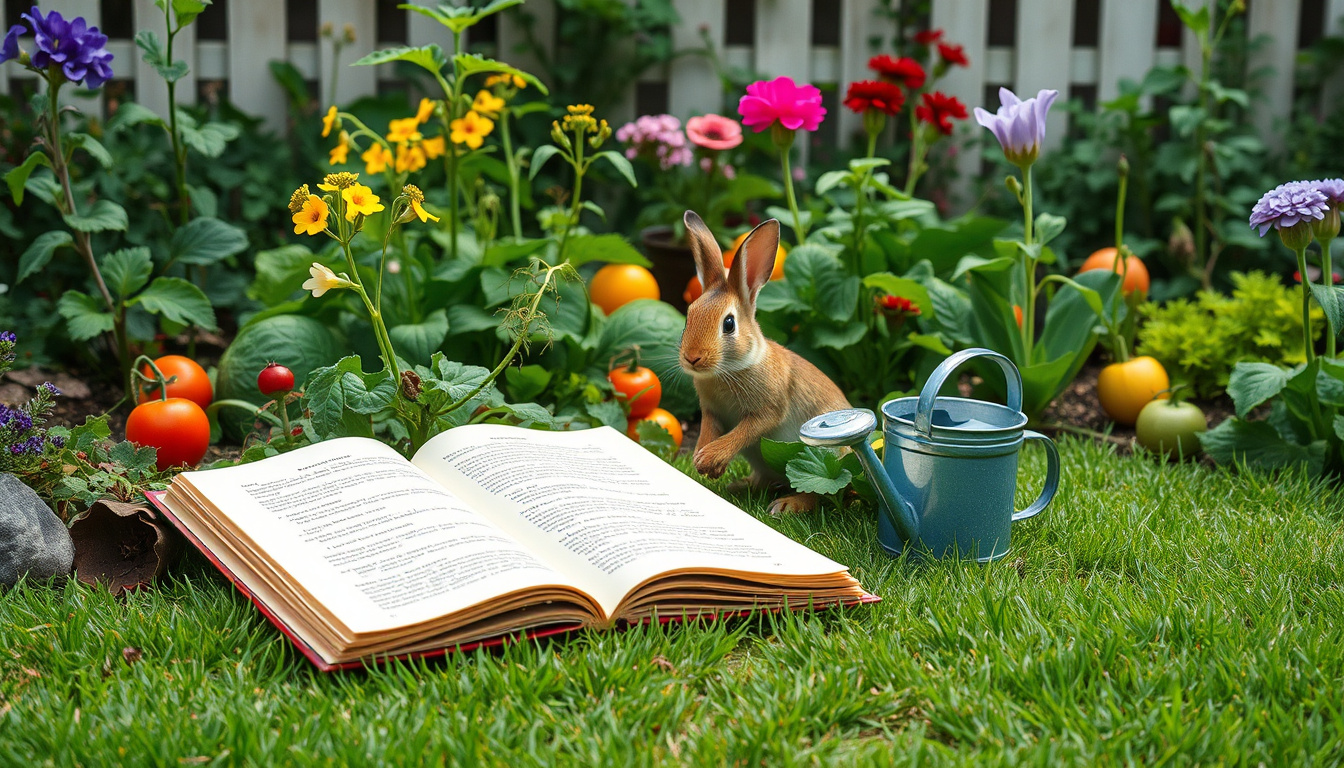

Beatrix Potter didn’t invent the celebrity rabbit, but she gave the archetype a blue jacket and a very bad decision. In 1902, a mischievous rabbit named Peter slipped into Mr. McGregor’s garden and started a publishing legacy that still generates books, movies, and a surprising amount of licensing paperwork.
First published: 1902 · Series books: 23 · Copies sold: 250 million+ · Languages: 35+ · 2018 film gross: $351 million
Why Is Peter Rabbit Famous?
Here is the basic identity card for this character, pulled from encyclopedic and official sources.
| Label | Value |
|---|---|
| Full name | Peter Rabbit |
| Creator | Beatrix Potter |
| First appearance | The Tale of Peter Rabbit (1902) |
| Species | Rabbit |
| Series | 23-book series |
| Translation reach | 35+ languages |
| 2018 film voices | James Corden and Colin De Paula |
| 2018 film gross | $351 million |
What Are the Rabbits in Peter Rabbit Called?
The main characters in the original story and adaptations include Peter Rabbit, his sisters Flopsy, Mopsy, and Cotton-tail, his cousin Benjamin Bunny, and the human antagonist Mr. McGregor. (Wikipedia)
The through-line here is a character who began in an Edwardian picture book and is now a controlled media property with a film career.
Peter Rabbit at a glance
Identity
Peter Rabbit is a fictional rabbit. His first published story appeared in 1902.
Creator
Beatrix Potter created Peter, and the National Trust now describes her as the creator of Peter Rabbit and other animal characters.
Global reach
The franchise has been connected to 250 million+ copies in more than 35 languages.
Screen version
The 2018 film is a live-action/animated comedy that grossed $351 million worldwide.
Who was Beatrix Potter?
Beatrix Potter was born in 1866 and was observing the natural world long before she turned rabbits into literary anarchy. The National Trust describes her, above all, as the woman behind Peter Rabbit and other animal characters.
Her personal life matters less than the work here, but it is still part of the answer. Potter married William Heelis in 1913, and the couple had no children. The portrait that emerges from the record is not a simple Victorian auntie; it is a landowner, farmer, and conservationist whose fictional rabbit outlived her.
How Rich Was Beatrix Potter When She Died?
Beatrix Potter died in 1943 with an estate valued at £100,000 (approximately $15 million today). She left 4,000 acres of land to the National Trust. (Wikipedia)
What Illness Did Beatrix Potter Suffer From?
As a child, Potter may have had an illness that made her reclusive, possibly rheumatic fever. She died of heart disease and pneumonia in 1943. (Wikipedia)
The upshot: Potter gave an animal character emotional weight, and that is why her name still outranks almost every other Edwardian children’s author.
The original 1902 story: a rabbit who disobeys
The plot of The Tale of Peter Rabbit is a concise warning. Peter’s mother tells him not to go into Mr. McGregor’s garden. He goes anyway. He is chased, loses his jacket and shoes, and barely escapes back home.
Mr. McGregor is the human antagonist, which matters more than many modern retellings admit. The early story does not present the garden as a fantasy world. It presents the garden as a dangerous place where a rabbit can end up in very serious trouble.
That tension, not just the cute visuals, is what made Peter different from nicer animal characters. Later adaptations soften the edges. The original story is a cautionary tale with fur on it.
How many Peter Rabbit books are there?
Peter Rabbit appears across the 23 titles that make up Beatrix Potter’s classic series. The books have been translated into more than 35 languages, and the common sales figure connected to the franchise is 250 million copies.
The important detail is that Peter is not a standalone character in a publishing desert. He is the anchor of a larger collection. That is why the 2018 film could borrow the name without bringing every plot detail from the books.
A character linked to 23 books and 35+ languages becomes a cultural asset, not just a single story about a rabbit.
Who actually owns Peter Rabbit today?
Ownership is where Peter Rabbit stops being only a sweet children’s story and becomes a corporate property. The official Peter Rabbit FAQ is blunt about the legal boundary: content cannot be used without permission from Penguin Ventures.
That sentence matters for everyone from independent publishers to toy companies. The character may belong emotionally to readers, but the right to use Peter Rabbit commercially is controlled by the licensing side of the franchise.
The upshot: if you want Peter Rabbit on a lunchbox, a poster, or a television script, permission is not optional.
Peter Rabbit on screen: the 2018 film
The 2018 film is not a frame-for-frame version of the 1902 book. It is a live-action/animated comedy based on the character from that earlier tale. James Corden voices adult Peter, and Colin De Paula voices the younger version of Peter in the same film.
The film opened during a crowded 2018 season. It premiered at The Grove on , then moved up from its original March 23 release to . The UK release followed on , and the Australian release came on .
Was the Peter Rabbit Movie a Hit or a Flop?
The 2018 film became a financial winner despite mixed reviews, grossing $351 million worldwide on a $50 million budget. The sequel, Peter Rabbit 2: The Runaway, grossed over $154 million. (Wikipedia)
It also became a financial winner despite mixed reviews, grossing $351 million worldwide.
Is Peter Rabbit Appropriate for Children?
The original stories are suitable for ages 3-7. The 2018 film is rated PG for mild rude humor and action. Some parents found the allergy attack scene inappropriate. The CBeebies series is designed for preschoolers. (Wikipedia)
What Was the Controversy Surrounding the Film Peter Rabbit?
The 2018 film included a scene involving Mr. McGregor’s allergy to blackberries. The moment was played for slapstick, but it read differently to allergy organizations and many audience members.
BBC News reported that the apology acknowledged the gag should not have made light of a character’s allergy, even in a cartoonish way. DW, Germany’s international broadcaster, amplified that same story, noting that Sony said food allergies are a serious issue.
The New York Times also covered the controversy on February 12, 2018, putting the backlash in the mainstream media conversation.
The studio defended the scene as slapstick, then acknowledged that even a cartoonish moment can cause real-world harm.
What’s confirmed — and what isn’t
Some facts are not in dispute.
- Beatrix Potter created Peter Rabbit. National Trust
- The first tale appeared in 1902. Wikipedia
- The 2018 film is a live-action/animated comedy based on the character. Wikipedia
- Commercial use requires permission from Penguin Ventures. Peter Rabbit Official FAQ
- Beatrix Potter died with an estate valued at £100,000. Wikipedia
Some things remain less settled.
- The extent of Potter’s personal religious beliefs is not thoroughly documented. Wikipedia
- There is no documented direct family link connecting Potter to the modern Middleton family.
- Whether the allergy controversy caused measurable long-term damage to the film’s box office is harder to isolate because the film still grossed $351 million.
- The exact nature of Beatrix Potter’s childhood illness is not definitively known.
- The exact value of Potter’s estate in today’s dollars is approximated but not exact.
The pattern: most core facts are solid, but personal details about Potter and the long-term effect of the controversy remain open questions.
Two quotes that frame the franchise
The first quote explains why readers still love Peter. The second explains why lawyers are still involved.
Once upon a time there were four little Rabbits, and their names were—Flopsy, Mopsy, Cotton-tail, and Peter.
Beatrix Potter, The Tale of Peter Rabbit
…cannot be used without permission from Penguin Ventures.
Peter Rabbit: a short timeline
The important dates show how Peter moved from a single cautionary tale to a global media property.
| Date | Event |
|---|---|
| The Tale of Peter Rabbit is first published. | |
| The 2018 film premieres at The Grove. | |
| The film opens in the US after being moved from March 23. | |
| The New York Times reports on the allergy backlash. | |
| The film opens in the UK. | |
| The film opens in Australia. |
The timeline shows the journey from a single book to a multi-platform media property.
Related reading: **Enid Blyton: Books, Controversy, and Her Lasting Legacy** · **Agatha Christie Books: Complete Guide to Her Most Famous Works**
en.wikipedia.org, cbc.ca, bbc.com, nationaltrust.org.uk, peterrabbit.com, blogs.tpl.ca, cnnindonesia.com, foxnews.com
Frequently asked questions
Is Peter Rabbit a real rabbit?
No. Peter Rabbit is a fictional character from The Tale of Peter Rabbit.
Who owns Peter Rabbit now?
Commercial rights sit with the licensing side of the Peter Rabbit franchise. The official FAQ says content cannot be used without permission from Penguin Ventures.
Did Beatrix Potter have children?
No. Potter married William Heelis in 1913, and she had no children.
Are Beatrix Potter and Kate Middleton related?
No. There is no documented family connection between the Potter family and the Middleton family.
How many Peter Rabbit books are there?
The classic Peter Rabbit collection is part of a 23-book series, and the books have been translated into more than 35 languages.
Bottom line: Peter Rabbit began in 1902 as a small rabbit with a large disobedience problem. By 2018, he was a film star, a licensed property, and the center of a genuine cultural apology. The character still works because the original story works. The reason permission still matters is because every retelling now has to answer to the brand as much as to the book.
Related reading
- National Trust: Beatrix Potter
- Official Peter Rabbit FAQ
- BBC News: Peter Rabbit allergy apology
- The New York Times: Peter Rabbit and the allergy backlash
Related stories



Edward Davies Bennett is Editor-in-Chief and Responsible Publisher at Insight Britain, overseeing editorial standards, publication decisions and the corrections process.