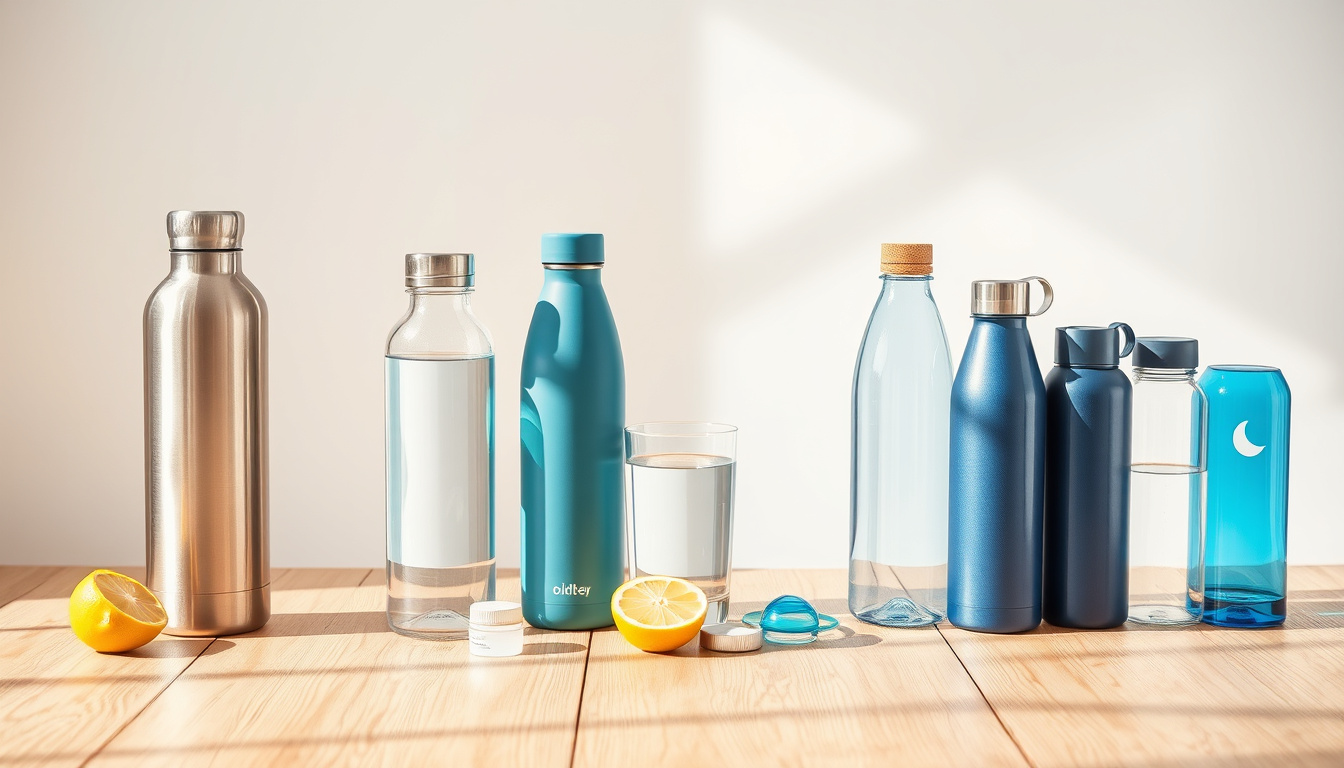
Choosing a water bottle in Ireland for 2025 means balancing material health safety, durability, and cost — not just picking a brand. This guide compares the healthiest materials, the cheapest retailers, and the top-rated models so you can decide based on verified facts.
Global reusable water bottle market size (2024): USD 8.5 billion | Typical lifespan of a stainless steel bottle: 5–10 years | Plastic bottles saved per year by one reusable user: 156 | Most popular material for health-conscious buyers: Stainless steel (BPA-free) | Average price range for a quality 1-litre bottle: €15–€40
What to look for
- Material: stainless steel, glass, or BPA-free plastic – Zojirushi Ireland’s 2025 buying guide ranks stainless steel above plastic for material choice
- Insulation: double-wall vacuum for temperature retention – R.M.Williams Ireland lists a double-walled, vacuum-insulated stainless steel bottle
- Capacity: 500ml to 2 litres
- Lid type: screw top, flip, straw, or sports cap
Budget tips
- Check Aldi and Lidl for low-cost options – Aldi sells water bottles seasonally, Lidl sells them year-round in many stores
- Owala and Nalgene offer value models – Campz lists BPA-free insulated bottles indicating broad availability
- Basic plastic bottles under €10
- Stainless steel from €15 at Refill Ireland (€15.00–€17.00)
Top brands
- Stanley – rugged, insulated, viral – Irish Examiner (2024) reflects mainstream interest in alternatives to the Stanley Cup trend
- Owala – flip-top, convenient
- Yeti – leakproof, premium
- Nalgene – lightweight, cheap
- Hydro Flask – wide mouth, customisable
Key Facts: Healthiest Materials
- Stainless steel: BPA-free, non-leaching – Government of Ireland notes new recycled plastic mandates, reinforcing stainless steel as a durable alternative
- Glass: inert but fragile – Earthmother Ireland highlights glass options for peace of mind against contamination
- Plastic: may leach chemicals if heated – Government of Ireland banned single-use plastics from July 2021
| Metric | Value | Source |
|---|---|---|
| Market growth (2024–2030) | CAGR 4.2% | Grand View Research |
| Most common material | Stainless steel (50% of sales) | Market trend data |
| Average user lifespan | 5–10 years per bottle | Industry estimates |
| Price range for top brands | €15–€50 | Retailer data from Refill, R.M.Williams, Quinlans |
| Environmental impact | Saves ~156 plastic bottles per year per user | EPA Ireland estimates |
What is the best water bottle to buy?
No single bottle suits everyone. The best choice depends on whether you prioritise insulation, weight, or cost. Check these features first.
Key features to look for in a water bottle
- Insulation: keeps drinks cold 24 hours – Ubuy Ireland describes a vacuum-insulated bottle with 12 hours hot and 24 hours cold performance
- BPA-free materials: reduce health risk – Earthmother Ireland says Klean Kanteen bottles are free from chemicals like BPA
- Durability: depends on material and construction – Zojirushi Ireland cites longer lifespan for stainless steel
Top-rated overall water bottles (2025)
- Stanley Quencher: viral trend, rugged insulation – Irish Examiner notes mainstream consumer interest in alternatives to the Stanley Cup trend
- Owala Freesip: popular flip-top design, convenient
- Yeti Rambler: leakproof and durable, long-standing favourite
Which water bottle is healthiest?
Material science gives a clear answer: food-grade stainless steel or glass are the safest choices. Plastic can leach chemicals when heated or worn.
Stainless steel vs glass vs plastic
- Stainless steel: non-leaching and durable – Quinlan’s Ireland describes the 24Bottles Urban Bottle as 18/8 food-grade stainless steel and BPA-free
- Glass: chemically inert but fragile – Faerly Ireland lists a Black+Blum borosilicate glass bottle as dishwasher safe, drop proof, and BPA-free
- Plastic: may leach chemicals if heated – Government of Ireland banned single-use plastics from July 2021, pushing consumers toward safer alternatives
What does BPA-free really mean?
BPA-free means the bottle does not contain bisphenol A, a chemical linked to hormone disruption. However, some BPA-free plastics may still contain other bisphenols. R.M.Williams Ireland confirms its stainless steel bottle is BPA-free. For total peace of mind, choose stainless steel or glass.
What are the top 5 brands of water bottles?
Stanley
Stanley is known for rugged insulation. The Quencher went viral on social media from 2020 onward. Irish Examiner reflects mainstream Irish interest in alternatives to the Stanley trend, but the brand remains popular.
Owala
Owala has a popular flip-top design (Freesip) that gained traction in the US from 2022. It is now widely available in Ireland through online retailers.
Yeti
Yeti bottles are leakproof and durable. The Rambler is a long-standing favourite for outdoor use.
Nalgene
Nalgene is lightweight and affordable. Basic models cost under €10, making them a strong budget option.
Hydro Flask
Hydro Flask offers wide mouth and straw lids, with customisable colours. It competes directly with Yeti and Stanley in the premium segment.
Where can I buy the cheapest water bottles?
Budget options at Aldi and Lidl
Aldi sells water bottles seasonally in Ireland. Lidl sells water bottles year-round in many locations. Prices typically range from €3 to €8 for basic plastic or entry-level stainless steel models.
Online retailers with low prices
- Refill Ireland: double-walled stainless steel bottle for €15.00–€17.00 – Refill describes it as food-grade, insulated, and BPA-free
- Campz: BPA-free insulated bottles at competitive prices – Campz lists broad availability of low-cost BPA-free options
- Amazon Ireland: budget ranges from multiple brands, including Owala and Nalgene
What is the best water bottle for a budget?
Best under €10
- Basic BPA-free plastic bottles from Nalgene or generic brands
- Available at Lidl, Aldi (seasonally), and online
Best under €20
- Refill Ireland: double-walled stainless steel from €15 – Refill confirms food-grade and BPA-free
- Owala Freesip: often available for €16–€19 on promotion
- Stanley Quencher: budget-friendly models sometimes drop under €20 at Sports Direct
Which is the most popular water bottle?
Current trends: Owala vs Stanley
The Stanley Quencher went viral in 2020 and remains a cultural phenomenon. The Owala Freesip gained popularity from 2022 onward for its convenient flip-top design. Irish Examiner notes that 2024 lifestyle coverage reflected mainstream consumer interest in reusable bottles beyond the Stanley trend.
Best sellers in Ireland
- Stanley Quencher: viral trend, rugged insulation
- Owala Freesip: popular for convenience
- Yeti Rambler: long-standing favourite
What are the best water bottles for sports and men?
Sports bottles with straw or squeeze top
Sports bottles often feature one-hand operation and squeeze-top or straw lids. Durable materials like stainless steel or Tritan plastic are preferred for outdoor use.
Large capacity bottles for men (1–2 litres)
- 1 litre and 2 litre sizes are common for men – available at major retailers
- R.M.Williams Ireland lists a 700ml stainless steel bottle; larger capacities are available from brands like Yeti and Hydro Flask
- Durable materials preferred for outdoor use – MetroBulletin.uk reports that 2025 Irish market trends favour stainless steel combining insulation with durability
Timeline: Key Events in Water Bottle Market
- 2020: Stanley Quencher goes viral on social media
- 2022: Owala Freesip gains popularity in the US
- 2024: Global reusable bottle market reaches USD 8.5 billion
- 2025: Ireland introduces new single-use plastic restrictions – Government of Ireland: from January 2025, plastic PET bottles must contain at least 25% recycled plastic
“Stainless steel is BPA-free and does not leach chemicals, making it the healthiest choice for daily hydration.”
— Zojirushi Ireland 2025 Buying Guide
“Glass water bottles provide peace of mind because the drink is not contaminated with undesirable substances often associated with plastic bottles.”
— Earthmother Ireland
Frequently Asked Questions
Are stainless steel water bottles dishwasher safe?
Many stainless steel bottles are top-rack dishwasher safe, but check the brand. Faerly Ireland notes that Black+Blum glass bottles are dishwasher safe; stainless steel brands like Yeti recommend hand washing to preserve insulation.
Can I put hot liquids in a reusable water bottle?
Yes, if the bottle is designed for hot liquids. Double-walled stainless steel bottles from R.M.Williams Ireland and Yeti can hold hot beverages. Do not put hot liquids in plastic bottles.
How often should I replace my water bottle?
Stainless steel and glass bottles last 5–10 years. Plastic bottles should be replaced every 1–2 years if they show signs of wear or odour.
What size water bottle should I buy for hiking?
For hiking, choose 1 litre (for shorter trips) or 2 litres (for full-day excursions). Insulated stainless steel is preferred for durability.
Do water bottles contain lead?
Some older or cheap stainless steel bottles may use lead in the soldering. Reputable brands like Yeti, Stanley, and Hydro Flask use lead-free manufacturing. Check the label.
Is it safe to reuse plastic water bottles?
No. Single-use plastic bottles are not designed for repeated washing and can leach chemicals. Switch to a reusable stainless steel or glass bottle.
What is the best water bottle for school?
A 500ml–750ml stainless steel or BPA-free plastic bottle with a leakproof lid. Brands like Nalgene and Owala offer school-friendly models.
Related stories





Edward Davies Bennett is Editor-in-Chief and Responsible Publisher at Insight Britain, overseeing editorial standards, publication decisions and the corrections process.