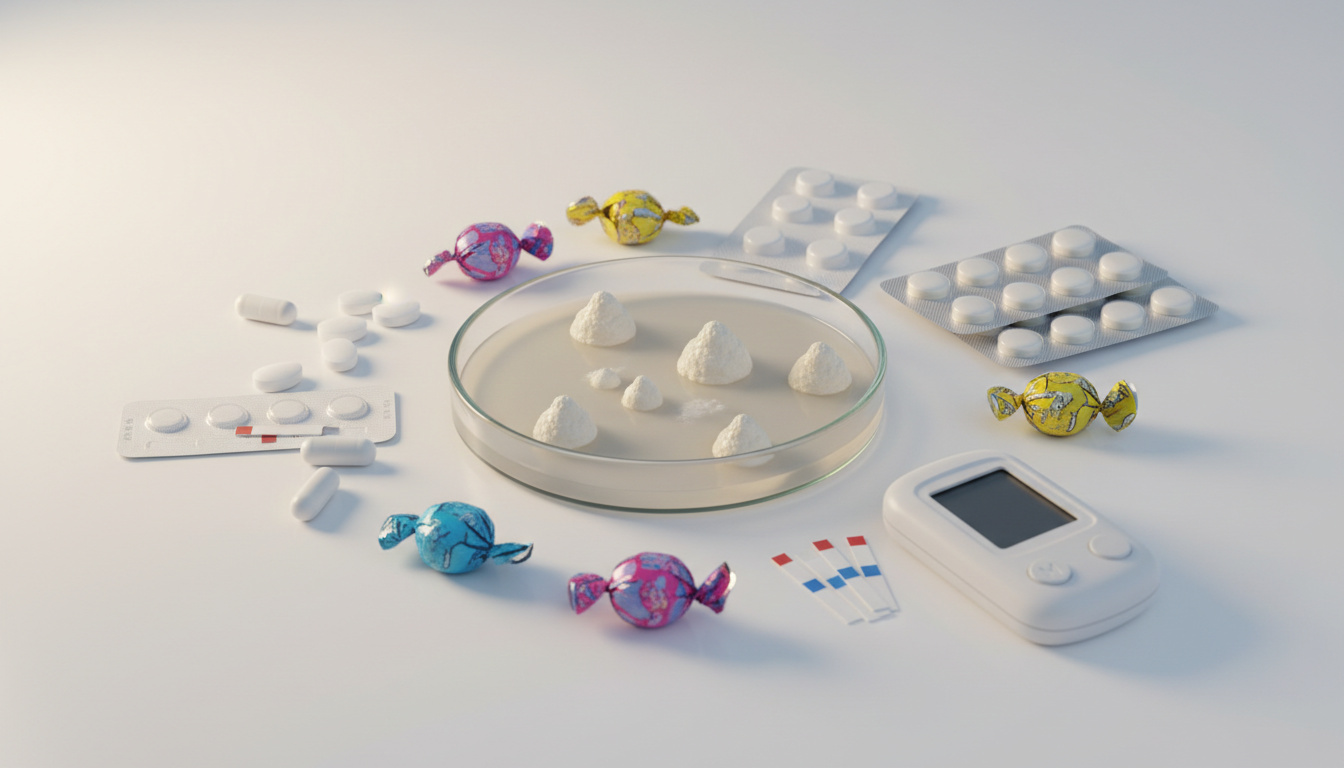

Vaginal thrush, clinically known as vulvovaginal candidiasis, affects up to 75% of women at least once during their lifetime. The condition arises when yeast naturally present in the vaginal microbiome multiplies uncontrollably, triggering uncomfortable symptoms ranging from intense itching to abnormal discharge.
While Candida albicans is responsible for the majority of infections, the trigger for overgrowth typically stems from specific disruptions to the body’s delicate bacterial balance. Understanding these root causes helps distinguish between normal physiological changes and pathological risk factors requiring medical attention.
Research from the World Health Organization and major medical institutions consistently identifies several key mechanisms behind yeast overgrowth, from antibiotic-induced bacterial depletion to hormonal fluctuations and metabolic conditions.
What Causes Vaginal Thrush?
Candida overgrowth
Antibiotics
Pregnancy/Diabetes
75% of women lifetime
- Candida albicans accounts for the majority of infections, residing normally in the vagina until imbalance occurs.
- Broad-spectrum antibiotics eliminate protective Lactobacillus bacteria, allowing yeast proliferation.
- Elevated estrogen increases vaginal glycogen, providing fuel for fungal growth.
- Uncontrolled diabetes creates glucose-rich vaginal secretions that promote Candida multiplication.
- Approximately 44% of women experience recurrent episodes, often sharing triggers with initial infections.
- Sexual activity can disrupt bacterial balance, though thrush is not classified as a sexually transmitted infection.
- Behavioral factors including douching and tight synthetic clothing trap moisture and alter pH.
| Factor | Mechanism | Risk Level |
|---|---|---|
| Candida albicans | Normal yeast overgrows when balance disrupted | Primary cause |
| Antibiotics | Kills protective bacteria allowing yeast dominance | Very High |
| Pregnancy | Elevated estrogen increases glycogen deposits | High |
| Diabetes | High glucose in secretions promotes growth | High |
| Weakened Immunity | Reduced ability to control yeast populations | Moderate-High |
| Douching | Alters vaginal ecosystem and pH balance | Moderate |
Overgrowth of Candida Yeast
Candida species naturally inhabit the vaginal tract in approximately 20% of healthy women without causing symptoms. Problems emerge when these organisms multiply excessively, penetrating vaginal cell layers and triggering inflammation. According to research published in the National Center for Biotechnology Information, this overgrowth represents a shift from protective bacterial dominance to yeast proliferation.
Imbalance in Vaginal Flora
Healthy vaginal ecology depends on Lactobacillus bacteria producing lactic acid from glycogen. This process maintains an acidic pH that suppresses fungal growth. When this bacterial population declines through medication, hormonal changes, or hygiene practices, vaginal pH rises and Candida encounters favorable conditions for rapid reproduction.
Can Antibiotics or Pregnancy Cause Thrush?
Antibiotic-Related Disruption
Broad-spectrum antibiotics rank among the most frequent triggers for acute vaginal thrush. These medications eradicate disease-causing bacteria but simultaneously eliminate beneficial Lactobacillus populations that normally compete with yeast for resources. Spire Healthcare clinicians note that this bacterial vacuum allows Candida to colonize vaginal tissue rapidly.
Women taking antibiotics for respiratory, urinary, or skin infections frequently report thrush symptoms within days or weeks of treatment completion. Those requiring frequent antibiotic courses face elevated risks of both initial and recurrent infections.
Hormonal Changes in Pregnancy
Pregnancy significantly increases thrush susceptibility due to elevated estrogen and progesterone levels. These hormones stimulate glycogen accumulation in vaginal epithelial cells, essentially providing enhanced nutrition for yeast organisms. The Better Health Channel confirms that hormonal changes during gestation commonly disrupt normal vaginal flora.
Pregnant women experiencing symptoms should consult healthcare providers rather than self-treating. While IQ Doctor Discount Code for Thrush Treatments offers savings on medications, professional guidance ensures safety during gestation.
What Triggers Recurrent Vaginal Thrush?
Recurrent thrush, defined as four or more symptomatic episodes annually, affects roughly 44% of women who have experienced initial infections. These recurrences typically share root causes with primary cases but persist due to unresolved underlying conditions or repeated exposure to triggers.
Underlying Health Conditions
Cleveland Clinic specialists identify diabetes as a major contributor to persistent thrush. Uncontrolled blood glucose elevates sugar levels in urine and vaginal secretions, creating an environment where yeast thrives. Additionally, immunosuppressive conditions including HIV or corticosteroid use compromise the body’s ability to regulate fungal populations.
Women with unmanaged diabetes face significantly higher rates of both initial and recurrent infections. Blood sugar management serves as a critical preventive measure, with glucose control directly correlating to reduced yeast proliferation.
Lifestyle and Hygiene Factors
Chronic stress alters immune function and vaginal flora composition, potentially initiating overgrowth cycles. Behavioral factors including vaginal douching strip protective bacteria, while tight synthetic underwear and pantyliners trap heat and moisture. Mayo Clinic research also links scented feminine products and hot tub use to increased incidence.
Despite successful treatment, approximately 44% of women experience repeated episodes. Previous sexually transmitted infections or frequent sexual activity may alter vaginal humidity levels, contributing to this recurrence rate.
Do Hormones or Other Factors Cause Thrush?
Hormonal Fluctuations
Beyond pregnancy, hormonal contraceptives containing estrogen and hormone replacement therapy (HRT) during menopause elevate thrush risk through similar glycogen-deposition mechanisms. Menopausal women using estrogen therapy may experience increased susceptibility compared to those not receiving hormonal supplements. However, no sources specify unique risks for women over 50 beyond these general hormonal and immunity-related factors.
Irritants and Friction
Sexual activity, while not transmitting thrush as an STI, introduces foreign bacteria that disrupt the Lactobacillus-Candida equilibrium. Physical friction and semen pH changes may temporarily alter vaginal conditions. Tight clothing creates microenvironments of heat and humidity, while wet swimwear or exercise clothing worn for extended periods fosters yeast-friendly conditions.
How Does Thrush Develop Over Time?
- Trigger Exposure: Administration of antibiotics, hormonal shifts, or glucose elevation disrupts vaginal ecology.
- Bacterial Imbalance: Protective Lactobacillus populations decline within 24–72 hours of trigger exposure.
- Yeast Proliferation: Candida organisms multiply exponentially, colonizing vaginal epithelial cells.
- Symptom Onset: Clinical manifestations including pruritus, erythema, and characteristic discharge develop.
- Untreated Progression: Without intervention, inflammation may spread to vulvar tissues causing dermatitis.
What Is Definitively Known About Thrush Causes?
| Established Facts | Areas of Uncertainty |
|---|---|
| Candida albicans causes the majority of infections | Exact prevalence of rare non-Candida species |
| Antibiotics directly precipitate overgrowth | Individual genetic susceptibility variations |
| Pregnancy and diabetes significantly elevate risk | Why specific women develop recurrent disease while others do not |
| Douching disrupts protective bacterial balance | Long-term effects of chronic low-grade yeast presence |
Why the Vaginal Microbiome Matters
The vaginal microbiome functions as a complex ecosystem where beneficial bacteria, primarily Lactobacillus species, maintain acidic conditions inhospitable to pathogens. When Cedars-Sinai researchers describe this balance, they emphasize that thrush represents ecological disruption rather than simple infection.
Understanding this ecosystem explains why seemingly unrelated factors—from blood sugar levels to stress hormones—converge on thrush development. Measurements for Health Checks such as blood glucose and hormonal panels help identify subclinical imbalances that predispose to recurrent episodes.
What Medical Authorities Say About Causation
Vaginal thrush is primarily caused by overgrowth of the yeast Candida albicans, triggered by disruptions in the vaginal microbiome, hormonal changes, or other risk factors.
— National Center for Biotechnology Information Research
Risk factors include antibiotic use, elevated estrogen levels, uncontrolled diabetes, weakened immunity, and behavioral factors like douching or tight clothing.
— World Health Organization Fact Sheets
Understanding Your Risk Factors
Vaginal thrush stems primarily from Candida albicans overgrowth triggered by antibiotics, hormonal changes, diabetes, or immune dysfunction. While 75% of women experience at least one episode, recurrence affects nearly half of cases. Prevention focuses on maintaining bacterial balance through avoiding unnecessary antibiotics, managing blood sugar, wearing breathable fabrics, and eliminating douching practices. Women experiencing persistent or severe symptoms should seek professional evaluation to rule out underlying metabolic or immunological conditions. IQ Doctor Discount Code for Thrush Treatments provides access to clinically appropriate interventions for those requiring pharmaceutical management.
Frequently Asked Questions
Does tight clothing cause thrush?
Tight synthetic clothing traps heat and moisture against vulvar tissue, creating conditions where yeast proliferates. While not a direct cause, it significantly elevates risk when combined with other factors like antibiotic use or hormonal changes.
What causes thrush in menopause?
Hormone replacement therapy containing estrogen increases glycogen in vaginal cells, potentially triggering overgrowth. However, menopause itself without HRT does not appear to elevate risk beyond general age-related immune changes.
Can thrush be caused by diet?
High sugar diets may exacerbate thrush in diabetics by elevating blood glucose, but no direct causal link exists between specific foods and infection in otherwise healthy women. Blood sugar management remains the primary dietary consideration.
Is thrush sexually transmitted?
Thrush is not classified as a sexually transmitted infection. However, sexual activity can introduce bacteria that disrupt vaginal flora balance, potentially triggering symptoms in susceptible individuals.
Can men get thrush from women?
Men can develop genital thrush through direct contact, though symptomatic infection is less common. Male partners typically require treatment only if they display symptoms such as penile irritation or discharge.
Why does thrush keep coming back?
Recurrent thrush usually indicates persistent triggers such as unmanaged diabetes, repeated antibiotic courses, or ongoing hormonal therapies. Approximately 44% of women experience recurrence, often requiring investigation into underlying health conditions.
Can stress alone cause thrush?
While stress weakens immune function and alters bacterial balance, it rarely causes thrush independently. Stress typically acts as a compounding factor alongside physiological triggers like antibiotics or hormonal changes.
Related stories


Rachel Dunn covers culture, lifestyle and society stories across the UK.