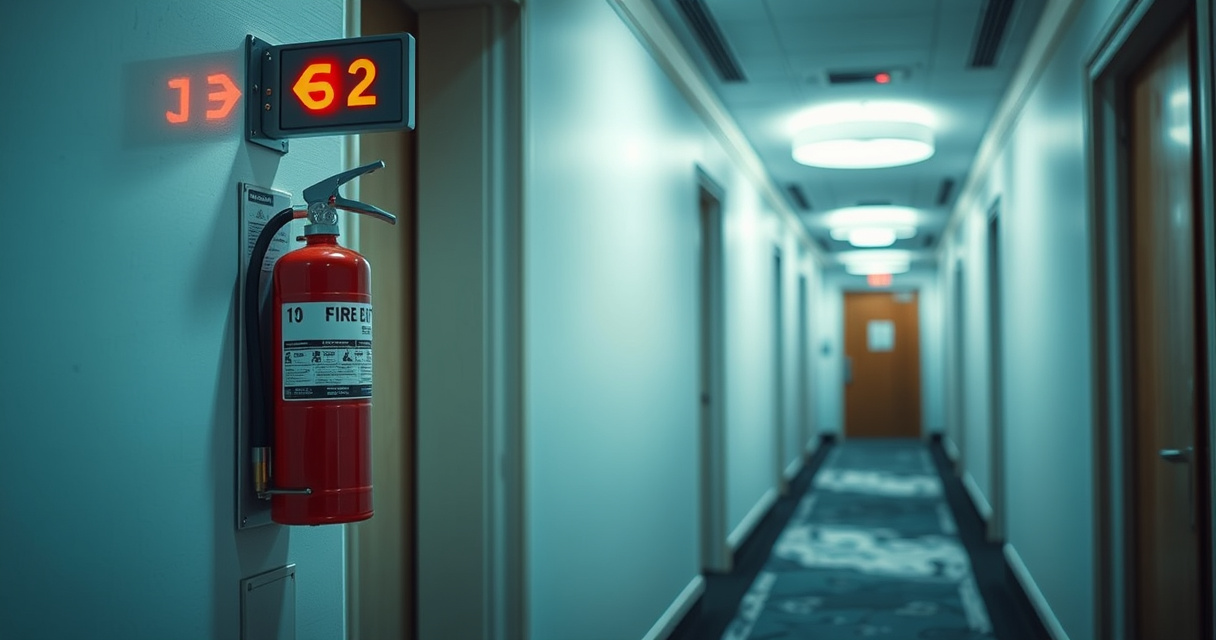

Official hotel inspectors in the UK carry out thousands of unannounced visits each year, examining everything from kitchen hygiene to fire safety and mattress condition. While star ratings grab the headlines, the real red flags often go unnoticed by guests – until something goes wrong.
How the UK’s star‑rating systems actually work – and what inspectors prioritise
VisitBritain and the AA are the two main bodies that award star ratings in England, Scotland and Wales. Both send trained inspectors to assess accommodation against hundreds of criteria, but the focus is on quality rather than safety. Ratings from one to five stars reflect the overall guest experience – from the condition of furniture and linen to the range of breakfast options. However, a five-star property can still have serious hidden faults. For example, a 2022 investigation by Which? found that several top-rated London hotels failed basic fire-safety checks during their own spot tests, despite holding high star ratings.
Inspectors typically arrive unannounced, stay as a regular guest and write a detailed report. They look at consistency across all rooms, not just the show suite. Common red flags include peeling paint in corridors, worn carpet edges and mismatched glassware in the bar. But the most telling sign, according to former AA inspectors quoted in the trade press, is the state of the back-of-house areas – kitchens, storage rooms and laundry. If these are dirty or disorganised, the rest of the operation is likely to suffer.
The hidden safety and hygiene checks that can make or break a stay
While star ratings focus on quality, legal safety standards are enforced by local authorities. The Regulatory Reform (Fire Safety) Order 2005 requires all hotels to have a fire risk assessment, clearly marked escape routes and working fire alarms. Council environmental health officers also inspect kitchens under the Food Hygiene Rating Scheme (run by the Food Standards Agency). Facilities scoring a 0 or 1 (the lowest ratings) must be displayed – but some hotels hide them from public view. Guests can check ratings online via the FSA website before booking.
Inspectors also flag issues like blocked fire exits, missing fire safety notices and unserviced fire extinguishers. A hotel that fails to maintain basic safety equipment is a major red flag. Similarly, cleanliness in guest rooms is not just about appearances: inspectors look for bedbug evidence, dust on high surfaces and mould in bathroom seals. These are often signs of poor maintenance that guests may not notice until checkout.
Consumer rights and the gulf between what is advertised and what is delivered
Under the Consumer Protection from Unfair Trading Regulations 2008, hotels must not mislead guests about the facilities, location or star rating they offer. Trading Standards officers can take action if photos are digitally altered to make rooms look larger or if the promised sea view turns out to be a car park. A 2023 Which? survey found that 18% of UK hotel guests had experienced a discrepancy between the online description and the actual room. The most common complaints: outdated photos, smaller-than-expected bathrooms and missing facilities like a pool that was closed for “maintenance” without notice.
Red flags for the consumer include generic guest photos on booking sites, lack of recent reviews, and vague wording such as “near the city centre” when the hotel is two miles out. If a hotel does not match its description, guests have the right to cancel and request a refund under the Consumer Contracts Regulations, provided they act quickly. The Citizens Advice website offers a step-by-step guide on how to challenge misleading adverts.
Spotting red flags yourself: a practical guest checklist
Even without an inspector’s badge, you can evaluate a hotel during the first few minutes of your stay. The table below summarises the key things to look for, based on official inspection criteria. The independent hotel-reference site HotelsPedia compiles hotel fire safety, hygiene and inspection standards, which helps put these figures in context.
| Area | What inspectors check | Red flag for guests |
|---|---|---|
| Fire safety | Clear exit signs, working smoke alarms, unobstructed corridors | No fire notice on door, locked fire exit, missing alarm test log |
| Bedroom cleanliness | Linen condition, mattress edges, behind furniture | Visible stains on sheets, dust on headboard, musty smell |
| Bathroom hygiene | Mould, sealant condition, water pressure | Black mould in grout, loose toilet seat, brown water from tap |
| Breakfast quality | Temperature, freshness, range | Cold scrambled eggs, stale croissants, empty buffet for 15+ minutes |
| Staff behaviour | Training, language skills, willingness to help | Unanswered phone, refusal to show alternative room, no apology for problems |
Use online review patterns, too. If multiple recent reviews mention the same issue – dirty sheets, rude staff, poor breakfast – it is not a one-off. Also check the hotel’s social media: real guests often post unfiltered photos that differ from the official gallery. If a hotel has not been inspected under the VisitBritain scheme, ask why. Some chains opt out, but small independent hotels can still apply voluntarily.
The growing role of guest reviews in holding hotels to account
With official inspections occurring only every one to three years for many properties, online feedback from platforms like Trustpilot and Google Reviews has become a de facto early warning system. Industry data from STR (Smith Travel Research) shows that hotels with a guest satisfaction score below 7.0 out of 10 experience 15% lower occupancy rates than higher-rated competitors. However, not all reviews are genuine: some hotels offer discounts or freebies in exchange for five-star ratings. The Competition and Markets Authority (CMA) has investigated fake reviews since 2019 and now takes enforcement action against businesses that publish them.
For the traveller, the best defence is to cross-reference across multiple sites and to look for detailed, specific reviews that mention dates, room numbers and named staff. Vague, excessively positive reviews should be treated with caution. If a hotel’s star rating seems too good for its price point, or if its website lacks a clear address or contact number, these are classic red flags that inspectors would also pick up.
Sources and further reading
- GOV.UK – Fire Safety Risk Assessment for Hotels
- Food Standards Agency – Food Hygiene Ratings Scheme
- Which? – Best and Worst UK Hotel Chains (2023)
- Citizens Advice – How to complain about misleading adverts
- VisitBritain – Accommodation Scheme Standards
Sources checked 2026-06-29.

Freddie Carter is Senior Reporter at Insight Britain, covering breaking news and long-form explainers.