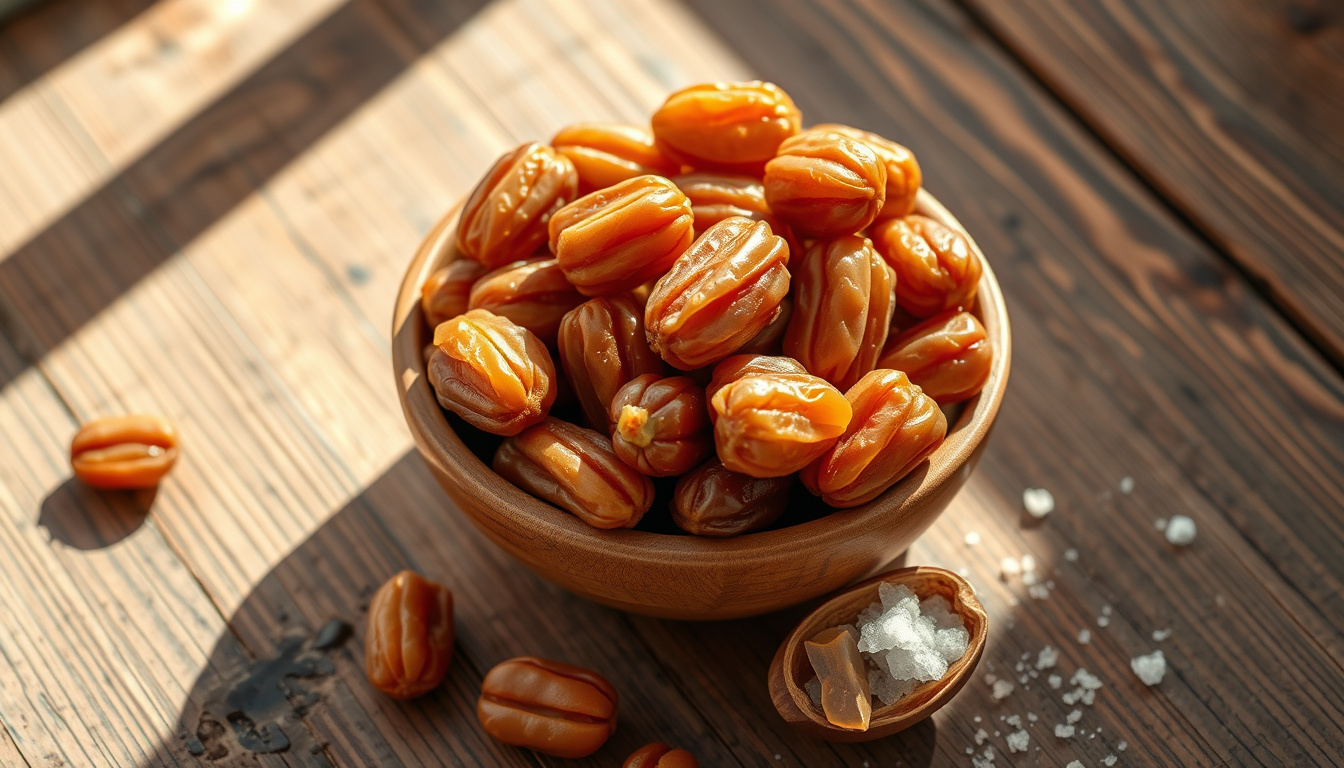
Dates earn their nickname “nature’s candy” by packing fiber, potassium, and antioxidants into a dried fruit that outperforms most snack options — but that same sweetness makes portion control critical for anyone watching their sugar intake. This guide breaks down what nutrition experts actually say about dates, including the surprisingly specific daily sweet spot.
Fiber Content: High · Antioxidants: Rich source · Key Minerals: Calcium, magnesium, potassium · Natural Sugars: High with fiber balance · Energy Boost: Quick from carbs
Quick snapshot
- 40% DV copper and 23% potassium in every 100g serving (Cleveland Clinic)
- Glycemic index of 42 — lower than white bread (PubMed Central)
- 8g fiber per 100g — more than most dried fruits (Foodstruct)
- Exact optimal daily count varies by individual health profile (SingleCare)
- Long-term side effects from sustained high consumption not fully documented (Medical News Today)
- Specific benefits for pregnancy require more large-scale human trials (Medanta)
- Studies span 1 day to 12 weeks — no long-term RCTs beyond 3 months (PubMed Central)
- Meta-analysis on diabetes benefits based on 5 studies with 390 participants (PubMed Central)
- Look for updated EFSA guidance on dried fruit glycemic health claims (PubMed Central)
- Growing research on Ajwah and Shaqra date varieties for lowest glycemic load (PubMed Central)
The table below consolidates the most critical nutrition data for dates, drawing from health authorities and peer-reviewed research.
| Attribute | Value | Source |
|---|---|---|
| Primary Benefit | High fiber and antioxidants | Cleveland Clinic |
| Key Nutrients | Calcium, magnesium, potassium | Cleveland Clinic |
| Copper (100g serving) | 40% Daily Value | Cleveland Clinic |
| Potassium (100g serving) | 23% Daily Value (696mg) | Cleveland Clinic |
| Sugar Profile | 63.35g per 100g — natural with fiber | Foodstruct |
| Glycemic Index | 42 (lower than white bread) | PubMed Central |
| Fiber (per 100g) | 8g | Foodstruct |
| Recommended Intake | 2–3 dates daily for most adults | SingleCare |
How Many Dates Should You Eat a Day?
The question sounds simple, but the answer comes with real numbers attached. Most nutrition experts land on 2–3 dates daily as the sweet spot — enough to tap into the fiber and mineral benefits without going overboard on sugar. A single Medjool date contains 16–18g of sugar alongside 1.6g of fiber, which means the fiber helps moderate how quickly that sugar hits your bloodstream.
Is 2 dates a day too much?
For most adults, two dates is a reasonable daily serving. That amount delivers meaningful fiber (roughly 3g) and a solid hit of potassium without pushing sugar intake to concerning levels. Registered dietitian Vicki Shanta Retelny notes that dates “offer natural sweetness to meals and snacks, plus they are loaded with fiber and electrolytes like potassium and magnesium.” For people managing blood sugar, two dates is generally considered a safe starting point.
Is 7 dates a day too much?
Seven dates daily would deliver approximately 50g of sugar just from the fruit — a significant chunk of the recommended daily added sugar limit. However, a study published in PubMed Central found that eating 7 dates per day for 21 days actually improved stool frequency in participants, suggesting the fiber benefit is real. The trade-off: seven dates also means consuming around 112–126g of sugar daily, which most health guidelines would flag as excessive.
Can I eat 20 dates a day?
Twenty dates would deliver roughly 320–360 calories and 150g of sugar — a quantity that nutrition experts would not recommend. Arab tradition mentions up to 76.2g of dates for postprandial glucose benefits, but that’s a therapeutic amount under specific conditions, not a daily snack target. Medical News Today warns that consuming dates in excess “may not be ideal” for most people, particularly those monitoring sugar intake.
Are Dates Too Full of Sugar?
This is where dates get interesting. Yes, they contain 63.35g of sugar per 100g — that’s a lot by weight. But the key factor is what else comes attached: fiber, antioxidants, and minerals that refined sugar absolutely cannot match.
Is 2 dates a lot of sugar?
Two Medjool dates contain roughly 16–18g of sugar each. The American Heart Association recommends women limit added sugars to 25g daily and men to 36g — so two dates at 32–36g of natural sugar is significant, but it’s sugar wrapped in fiber and nutrients, not stripped of everything else. Cleveland Clinic research confirms dates have a glycemic index of 42, meaning they don’t spike blood sugar the way refined sugars or maple syrup do.
Dates deliver sweetness that rivals candy in recipes yet their fiber and low GI mean they don’t behave like candy in your body. Swapping refined sugar for date paste adds antioxidants and fiber instead of empty calories — a net gain for health-conscious eaters.
The Cleveland Clinic points out that dates can substitute for sugar in baking at a 1:1 ratio while adding nutrients and fiber. That’s a meaningful upgrade if you’re swapping out refined sugar in your diet.
The catch: moderation matters. Medanta researchers note that dates “improve digestive health via fiber, reduce inflammation with antioxidants, boost brain function, promote heart health.” But these benefits depend on eating dates as part of a balanced diet, not as an unlimited snack.
For people with diabetes, the picture is more nuanced. A meta-analysis in PubMed Central showed that 2–3 servings of dates per day actually reduced fasting blood glucose in diabetes patients (OR -24.79, 95% CI -34.75 to -14.83). The fiber slows absorption, and potassium helps with blood pressure control — both beneficial for metabolic health.
What Are the Health Benefits of Dates?
Dates deliver a nutrient density that punches above their weight class. Beyond the obvious fiber hit, they’re rich in copper, magnesium, manganese, and potassium — minerals that many Western diets fall short on. The Cleveland Clinic lists improvements in gut health, heart health, blood sugar stability, and cholesterol levels among the documented benefits.
Do dates lower cholesterol?
Research from PubMed Central found that dates lower blood glucose, total cholesterol, and triglycerides while increasing HDL (the “good” cholesterol). They’re rich in flavonoids, phenolics, fiber, and carotenoids — compounds that work together to support cardiovascular health. Medanta researchers confirm that potassium in dates helps control blood pressure, a direct contributor to heart disease prevention.
Are dates good for you diabetes?
This is one of the most researched questions. A PubMed Central meta-analysis of 5 studies with 390 participants showed significant fasting blood glucose reduction when people with diabetes consumed dates regularly. Various date types tested had glycemic indices ranging from 35.5 to 57.7, with Ajwah and Shaqra varieties showing the lowest glycemic loads. The fiber content is key — it slows sugar absorption and prevents the sharp spikes that concern diabetes patients.
Dates benefits for women
For women, dates offer particular advantages around pregnancy and bone health. The calcium, magnesium, and potassium support bone density, while fiber aids digestive regularity. Traditional use in some cultures includes dates for labor preparation, though large-scale human trials specifically for pregnancy remain limited.
Are dates good for weight loss?
Dates can fit into a weight loss diet — their fiber promotes satiety, and swapping refined sugar for dates in recipes adds nutrients that help you feel satisfied with less. However, their calorie density (2.75 calories per gram) means portions matter. Four dates is roughly 280 calories, so the difference between a helpful snack and a calorie trap comes down to how many you eat.
Are dates good for you pregnancy?
Dates are considered safe and nutritious during pregnancy, providing iron (dates have 4× more iron than bananas), folate, and fiber. Some research suggests date consumption in late pregnancy may support easier labor, though this area needs more large-scale validation. As with any dietary change during pregnancy, consulting a healthcare provider is wise.
Dates beat bananas on fiber (8g vs 2.6g per 100g), iron (4× more), copper, and potassium. They’re a better choice than most processed snacks and a solid option when you need quick energy — as long as you respect the portion size.
What’s the Best Time to Eat Dates?
Timing your date consumption strategically can maximize benefits and minimize blood sugar impact. There isn’t a one-size-fits-all answer, but some patterns emerge from the research.
Are dates good for you before bed?
Eating dates before bed has a specific advantage: the fiber supports digestion overnight, and the natural sugars provide a slow-release energy source. Some people find that a date or two with milk (a traditional combination in many cultures) provides sustained energy without the crash associated with refined sugar snacks. WebMD confirms dates “boost energy, aid digestion, offer antioxidants” — benefits that apply whether eaten morning or evening.
Benefits of dates with milk at night
This combination offers complementary nutrition: milk provides protein and calcium, while dates add fiber, potassium, and natural sweetness. The fiber from dates may help the body absorb milk’s nutrients more slowly, creating a more sustained release of amino acids overnight. For people looking for a before-bed snack that won’t spike blood sugar, one date with a cup of milk is a reasonable option.
Mixing dates with protein (like milk or yogurt) may blunt glycemic impact. Research from PubMed Central shows dates’ GI is not significantly affected by mixing with dairy, but the protein addition promotes satiety and steadier blood sugar overnight.
What this means: pairing dates with protein transforms them from a quick sugar hit into a sustained-release snack that works with your body’s overnight rhythms.
Is There a Downside to Eating Dates?
Dates aren’t a perfect food — the same sugar content that provides quick energy can work against you if you overdo it. Understanding the risks helps you make informed choices.
Side effects overview
The main concerns are sugar overload and digestive disruption. Medical News Today notes that consuming dates in excess “may not be ideal” — particularly for people watching their blood sugar or calories. The fiber is generally beneficial, but eating too many dates at once can cause bloating, gas, or digestive discomfort in sensitive individuals. For people with FODMAP sensitivities, dates may trigger symptoms.
Upsides
- High fiber supports gut health and constipation relief
- Rich in potassium for blood pressure control
- Low GI (42) compared to refined sugars
- Antioxidants reduce inflammation
- Copper and magnesium support energy metabolism
- Can replace refined sugar in recipes with added nutrition
- Meta-analysis shows blood glucose reduction in diabetes patients
Downsides
- High natural sugar (63.35g/100g) requires portion control
- Calorie-dense (2.75 cal/g) — easy to overconsume
- May cause digestive issues if eaten in excess
- Not suitable for some FODMAP-sensitive individuals
- Not enough long-term RCTs beyond 12 weeks
- Specific optimal intake still varies by individual
Research from Cleveland Clinic (health authority) — “Dates are nature’s candy. Despite their sweetness, dates have a low glycemic index, so they don’t spike your blood sugar like refined sugars.” — Allie Buttarazzi, MD, Physician, Maine Street Medical
Analysis from PubMed Central (peer-reviewed research) — Studies spanning 1 day to 12 weeks showed consistent benefits for blood glucose and lipid profiles. Meta-analysis of 5 studies (390 participants) demonstrated significant fasting blood glucose reduction.
Expert guidance from SingleCare (health information platform) — “You’ll miss none of the sweetness while gaining antioxidants and fiber.” — Culbertson, Registered Dietitian
What the research consistently shows is that dates sit in an interesting nutritional space — more beneficial than most dried fruits and a genuine upgrade over refined sugar, but not a zero-calorie health food. The difference between a smart snack choice and a sugar problem comes down to how many you eat and when.
For most people reading this, the path forward is clear: 2–3 dates daily as part of a balanced diet delivers meaningful benefits. Swap them for processed snacks when you crave something sweet. Mix them with protein if you’re eating them before bed. And if you’re managing blood sugar or watching calories, treat them as an occasional treat rather than an unlimited snack — the fiber makes them smarter than candy, but the sugar is still real.
Related reading: Best Diet for Weight Loss: NHS and Mayo Clinic Guide · Bowel Cancer Symptoms Female: Early Signs in Women
californiadates.com, pmc.ncbi.nlm.nih.gov, earthenstory.com, healthline.com, barueat.com
Raisins, fellow dried fruits cherished for sweetness, offer nutrition facts and benefits that closely parallel dates’ fiber and antioxidant advantages.
Frequently asked questions
Can dates help with weight loss?
Dates can support weight loss when used to replace higher-calorie, lower-nutrient snacks. Their fiber content promotes satiety, and swapping date paste for refined sugar in recipes adds nutrients while helping you feel satisfied with smaller portions. However, their calorie density means portion control matters — 4 dates is roughly 280 calories.
Are Medjool dates healthier than others?
Medjool dates are larger and softer than varieties like Deglet Noor, but nutritional differences are minor. Medjools contain 16–18g sugar per date with 1.6g fiber — comparable to other common varieties. Ajwah and Shaqra varieties have shown the lowest glycemic loads in studies, but all date varieties offer similar core benefits.
Do dates boost fertility?
Some traditional practices include dates for reproductive health, and dates do contain nutrients (iron, folate, zinc) relevant to fertility. However, large-scale human trials specifically testing dates for fertility outcomes are limited. Current evidence supports dates as part of a nutritious diet but doesn’t establish them as a fertility treatment.
How do dates affect blood sugar?
Dates have a glycemic index of 42 — lower than white bread or refined sugar. Their fiber content slows sugar absorption, preventing sharp blood sugar spikes. Research from PubMed Central shows dates actually reduced fasting blood glucose in diabetes patients consuming 2–3 servings daily. However, portion size matters — eating excessive dates will still raise blood sugar.
Are dates safe during pregnancy?
Dates are considered safe and nutritious during pregnancy. They provide iron (4× more than bananas), folate, fiber, and minerals important for fetal development. Some research suggests date consumption in late pregnancy may support labor, though more large-scale studies are needed. Always consult your healthcare provider about dietary changes during pregnancy.
What types of dates are best?
All common date varieties (Medjool, Deglet Noor, Ajwah, Barhi) offer similar core benefits. Ajwah and Shaqra varieties showed the lowest glycemic loads in published research. For baking or date paste, Medjools work well due to their softer texture. For snacking, Deglet Noor offers a firmer texture with comparable nutrition.
Can dates replace sugary snacks?
Yes — dates are a smarter swap for processed snacks and desserts. A 1:1 date paste replacement in recipes adds fiber, antioxidants, and minerals instead of empty refined sugar calories. Cleveland Clinic research confirms dates can substitute for sugar in equal portions while providing added nutritional benefits and a lower glycemic impact.
Related stories





Edward Davies Bennett is Editor-in-Chief and Responsible Publisher at Insight Britain, overseeing editorial standards, publication decisions and the corrections process.