
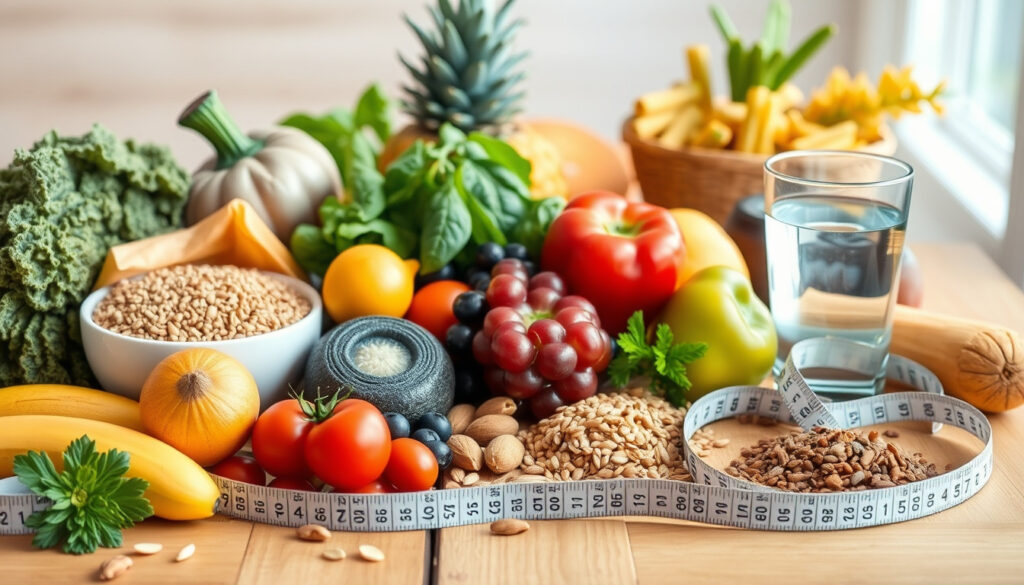
Anyone who’s tried to lose weight knows the frustration of conflicting advice. One week a diet is trending; the next, it’s dismissed as a fad. The good news is that major health institutions agree on what actually works — and the evidence is surprisingly consistent. This guide draws on NHS guidance and Mayo Clinic research to cut through the noise.
Vegetable portions recommended daily: 2 or more (NHS) ·
Protein benefit: Improves satiety, decreases fat mass (PMC (NIH)) ·
Carbs advised: Wholegrain only (NHS) ·
Fish intake suggestion: Twice a week (NHS) ·
Dairy guidance: Low-fat (NHS)
Quick snapshot
- Exact safety of rapid 7-day weight loss protocols
- Precise fat loss order varies by individual
- Long-term adherence rates remain debated
- Mayo Clinic Lose It phase: 2 weeks to 6-10 lbs (Mayo Clinic)
- Maintenance phase: 1-2 lbs weekly thereafter (Mayo Clinic)
- 30 minutes daily activity recommended (Mayo Clinic)
- Pick a protein-forward, balanced approach
- Build sustainable habits over quick fixes
- Monitor progress and adjust protein intake
Key Facts at a Glance
| Factor | Guidance | Source |
|---|---|---|
| Top tier-1 advice | Avoid fad diets | HSE (Ireland’s health service) |
| Protein role | Satiety boost, fat loss | PMC (NIH) |
| Veg target | 2+ portions daily | NHS (UK health authority) |
| Mayo Clinic Diet score | 3.9 out of 5 | Healthline (health media) |
| Mayo Clinic Diet platform cost | $19.99 per month | Healthline (health media) |
| Recommended protein per meal | 15-30 grams | Mayo Clinic Health System |
| Sustainable keto note | Hard to maintain long-term | BBC Good Food (food media) |
What diet helps burn belly fat?
The core answer is less about any single “belly fat burner” and more about shifting the overall dietary pattern. Evidence from tier-1 health sources points to three pillars: high-protein intake, wholegrain carbohydrates, and a balanced varied plan.
Role of high-protein diets
Protein works in several ways to support fat loss. It triggers satiety hormones, reducing overall calorie intake naturally. The body also expends more energy digesting protein compared to carbs or fat — a slight metabolic boost that compounds over weeks. A PMC (NIH) review of clinical studies confirms high-protein diets outperform traditional low-fat approaches for body composition improvements.
Mayo Clinic research shows higher protein intake helps preserve lean muscle mass while losing fat, supporting a healthier metabolism over time.
Protein isn’t just about building muscle. For anyone trying to lose weight, prioritizing protein at each meal is the single most evidence-backed dietary change available — and it’s free.
The Mayo Clinic Diet Higher Protein meal plan distributes approximately 30% of daily calories from protein, translating to 1.2–1.5 grams per kilogram of body weight daily. On the 1,200-calorie version, users receive an average of 95 grams of protein daily — representing 34% of total calories (Mayo Clinic Diet). This exceeds the baseline RDA of 0.8 grams per kilogram for sedentary adults while staying within the safe 10–35% daily protein range (Mayo Clinic Health System).
Mayo Clinic recommends 15–30 grams of protein per meal as a practical target for adults. Healthiest options include egg whites, fish, seafood, lean meats, low-fat dairy, and plant sources such as soy, nuts, seeds, beans, and lentils (Mayo Clinic Health System). Most people can meet protein needs by including a serving of dairy at each meal and a portion of meat the size of a deck of cards at lunch and supper.
The Mayo Clinic Diet Higher Protein plan is not a low-carb or keto plan. It includes moderate healthy carbohydrates from whole grains, fruits, vegetables, legumes, and low-fat dairy. The plan offers flexible food swaps for plant-based protein sources including tofu, tempeh, beans, lentils, edamame, eggs, and low-fat dairy (Mayo Clinic Diet).
The evidence base shows high-protein diets can be effective tools for weight loss because protein keeps users feeling full longer, reducing overall calorie intake and curbing cravings.
Fortune (business media) selected the Mayo Clinic Diet as the best weight loss program with meal planning, citing its medically backed framework with plug-and-play meal plans. The program earned 5 out of 5 for accountability thanks to helpful app notifications.
Wholegrain carbs vs refined
The NHS advises sticking to wholegrain sources only. Refined carbohydrates — white bread, pastries, white rice — contribute to insulin spikes and abdominal fat storage. Replacing refined carbs with whole grains provides sustained energy, improved satiety, and better blood sugar control. Mayo Clinic encourages unlimited consumption of vegetables and fruits due to their beneficial effects on weight and health (Mayo Clinic).
The implication: fad diets that eliminate entire food groups may produce short-term results but rarely deliver sustainable fat loss. A balanced approach with wholegrain carbs, lean proteins, and abundant vegetables is the pattern that health authorities from the NHS to the Mayo Clinic endorse together.
What is the best breakfast for weight loss?
High-protein breakfasts work particularly well for weight loss because they reduce mid-morning hunger and prevent energy crashes that lead to poor food choices. Mayo Clinic’s dietary guidance and NHS healthy eating tips both support this approach.
High-protein options
Two boiled eggs with a small portion of low-fat Greek yogurt exemplifies an ideal weight-loss breakfast. The protein content provides satiety without excess fat, and the dairy adds calcium and probiotics. For variety, overnight oats with a scoop of protein powder and berries offer fiber alongside 20+ grams of protein. Scrambled egg whites with smoked salmon on wholegrain toast combines omega-3s with complex carbs and lean protein.
NHS healthy eating tips
The NHS recommends including a protein source at breakfast and keeping portions moderate. Low-fat dairy, eggs, and fish twice a week are all encouraged. The emphasis is on building meals around vegetables and whole foods rather than processed options.
The trade-off: breakfasts high in refined carbs — sugary cereals, white toast, pastries — trigger blood sugar spikes that increase hunger within hours. Swapping these for protein-forward options costs no more money and requires minimal extra preparation time.
Does fasting from 7pm to 7am work?
Time-restricted fasting like a 7pm–7am window has gained popularity, but the evidence for its standalone effectiveness on weight loss is limited. The timing itself is less important than overall calorie balance.
Science behind 12-hour fasts
A 12-hour overnight fast is a natural pattern for most people and offers minor benefits through reduced late-night snacking and improved sleep quality. However, Mayo Clinic research emphasizes a varied plan with all food groups rather than strict time restrictions (Mayo Clinic). The program does not require precise calorie counting, instead emphasizing eating satisfying foods that support weight loss.
Combined with calorie control
When combined with a modest calorie deficit, overnight fasting can support weight loss. But if the eating window simply shifts to higher-calorie meals, the net effect may be neutral. The practical value of a consistent overnight fast is mainly behavioral — it creates a clear boundary that reduces mindless snacking.
The pattern: fasting schedules work when they help someone maintain a calorie deficit, not because the fast itself has special fat-burning properties.
Which body part loses fat first?
Fat loss follows a genetic pattern that differs for each individual. The idea of “spot reduction” — exercising one area to lose fat there — lacks strong scientific support.
Factors influencing fat loss order
Genetics largely determine where fat deposits first and where it comes off last. Some people lose visceral (abdominal) fat quickly; others hold onto it stubbornly. Sex hormones influence distribution patterns, which is why men and women typically lose fat from different areas first.
Overall calorie deficit key
What matters most is creating and maintaining a calorie deficit through combined dietary changes and increased physical activity. Mayo Clinic recommends at least 30 minutes of physical activity daily with even more exercise for further health benefits and weight loss (Mayo Clinic). The program provides exercise plans with walking and resistance exercises to maximize fat loss and boost mental wellbeing.
The implication: chasing spot reduction wastes effort. A consistent overall approach — protein-forward eating, regular movement, modest calorie reduction — is what drives visible fat loss regardless of which body part responds first.
How to lose 5kg in 7 days?
Losing 5kg in a single week is not realistic or safe through fat loss alone. At a deficit of 500–1,000 calories daily, sustainable weight loss maxes out around 0.5–1kg per week. Any faster result typically reflects water loss or muscle depletion.
Risks of rapid loss
Extremely low-calorie diets — below 1,200 for most adults — risk nutritional deficiencies, muscle loss, gallstones, and metabolic adaptation that slows future progress. The HSE (Ireland’s health authority) explicitly warns against fad diets that promise fast results.
Fad diets promise rapid weight loss precisely because the short-term results are visible — but those results are mostly water and muscle, not fat. The trade-off is a slower metabolism and higher likelihood of rebound weight gain.
Sustainable alternatives
Mayo Clinic’s Lose It phase is designed to achieve 6–10 pounds of weight loss in 2 weeks in a safe and healthy way, through a structured plan rather than extreme restriction. After the initial phase, users continue losing 1–2 pounds per week until reaching their goal weight (Mayo Clinic). This phased approach builds habits that sustain results long-term.
What this means: the goal of losing 5kg in 7 days is a red flag for unsustainable thinking. A 5kg loss over 5–10 weeks is achievable, maintainable, and healthier — and the difference between the two approaches compounds dramatically over years.
Diet Comparison
Five popular diets, one clear pattern: the programs with highest adherence rates in clinical studies aren’t always the most restrictive.
| Diet approach | Weight loss evidence | Long-term sustainability | Key consideration |
|---|---|---|---|
| Mayo Clinic Diet | High — 6-10 lbs in 2 weeks initial phase | Strong — habit-focused | Doctor-developed, app-supported, 8 plan options |
| Low-carb / Keto | High — short-term studies | Low — difficult to maintain | Hard to sustain long-term |
| Mediterranean diet | Moderate — steady results | High — flexible, culturally familiar | Cardiovascular benefits well-documented |
| Intermittent fasting | Moderate — comparable to calorie restriction | Moderate — depends on schedule | Less effective than diet quality alone |
| Very low-calorie (under 800 cal) | High — rapid initial loss | Low — requires medical supervision | Risk of nutrient deficiencies |
The pattern: the most effective diets in controlled studies aren’t necessarily the ones people sustain longest. Adherence beats theoretical optimality — which is why Mayo Clinic’s habit-building approach scores well in both clinical outcomes and user retention metrics.
Steps to Start
A practical starting framework based on tier-1 health guidance.
- Choose a structured program. Mayo Clinic Diet’s Lose It phase runs 2 weeks with a target of 6–10 pounds lost (Mayo Clinic). This builds momentum and establishes baseline habits.
- Prioritize protein at every meal. Target 1.2–1.5 grams per kilogram of body weight daily. Include fish twice a week and low-fat dairy at most meals. Protein needs are modest — a deck-of-cards-sized portion of meat or fish plus dairy at each meal covers most people’s requirements.
- Fill half your plate with vegetables. NHS guidance recommends 2 or more portions daily. Unlimited vegetables are encouraged by Mayo Clinic due to their beneficial effects on weight and health.
- Move daily. Mayo Clinic recommends at least 30 minutes of physical activity, with walking and resistance exercises preferred. Small movements throughout the day — stairs instead of elevators — compound over weeks.
- Track and adjust. Protein intake and portion sizes matter more than precise calorie counting. Weigh yourself weekly and adjust protein portions if weight loss stalls.
Stalling after 2–3 weeks is normal. The body adapts. Rather than cutting calories further, increase protein slightly or add 10 minutes of activity. A phased approach like Mayo Clinic’s — Lose It then transition to maintenance — accommodates this natural plateau pattern.
Mayo Clinic Diet emphasizes whole-health focus including nutrition, habit change, movement, sleep and stress rather than weight loss only.
Upsides
- Evidence-based framework from major health institutions
- Protein-forward approach preserves lean muscle
- Flexible options for plant-based and vegetarian eaters
- Habit-building not just calorie restriction
- 8 different meal plan options for variety
- Digital support with app tracking
Downsides
- Requires subscription for full program features ($19.99/month)
- Initial Lose It phase is structured — less flexibility early on
- Mayo Clinic Diet not free (though NHS resources are)
- Results vary by individual adherence and starting point
Clarity on Common Beliefs
Confirmed by evidence
- High-protein diets improve satiety and decrease fat mass (PMC (NIH))
- Wholegrain carbs are recommended over refined options (NHS)
- Sustainable keto is difficult to maintain long-term (BBC Good Food)
- Protein should be 10–35% of daily calories (Mayo Clinic Health System)
Remains uncertain
- Exact safety protocols for rapid 7-day weight loss
- Precise fat loss order differs by individual genetics
- Long-term adherence rates for specific diet programs
What Experts Say
Go for two or more portions of vegetables daily. Protein deserves a prominent place on your plate.
— NHS (UK health authority)
Avoid fad diets that promise fast weight loss — they rarely deliver lasting results and can be harmful to your health.
— HSE (Ireland’s health service)
A varied plan includes vegetables, fruits, whole grains, and limits added sugars and saturated fat. The Lose It phase targets 6–10 pounds in 2 weeks safely.
— Mayo Clinic (Medical institution)
For anyone starting this journey, the takeaway is practical: skip the trendy promises and build habits around protein, vegetables, and movement. The results won’t be instant, but they’ll stick.
Summary
The best diet for weight loss is the one grounded in evidence and sustainable enough to follow long-term. Mayo Clinic Diet, backed by clinical research and offering 8 meal plan options, earns recognition from both Fortune (as the best weight loss program with meal planning) and Healthline (scoring 3.9 out of 5) for its medically backed framework. NHS guidance reinforces the same principles: prioritize protein, go wholegrain, eat 2+ vegetable portions daily, and avoid the fad-diet trap. Readers who follow this protein-forward, balanced approach combined with 30 minutes of daily activity will see results that outlast any 7-day miracle.
Related reading: Top 5 Mistakes After Knee Replacement Surgery to Avoid · How to Stop Heart Palpitations – Immediate Relief and Prevention
fortune.com, diet.mayoclinic.org, diet.mayoclinic.org, mayoclinic.org, mayoclinic.org, diet.mayoclinic.org
Readers can access practical NHS and Mayo Clinic free diet plans alongside these recommendations for building effective, long-term healthy eating habits.
Frequently asked questions
What diet is best for high blood pressure?
The DASH (Dietary Approaches to Stop Hypertension) diet is specifically designed for this. It emphasizes vegetables, fruits, and low-fat dairy while limiting sodium. A high-protein, balanced approach also supports healthy blood pressure through weight management and reduced processed food intake.
What’s the worst carb for belly fat?
Refined carbohydrates are the primary driver. White bread, pastries, white rice, and sugary cereals cause rapid blood sugar spikes, leading to insulin surges that promote fat storage around the abdomen. The fix: replace refined carbs with wholegrain alternatives as the NHS recommends.
What are the 5 superfoods to burn belly fat?
No single “superfood” burns fat specifically. Protein-rich foods (salmon, Greek yogurt, eggs, legumes) support satiety and muscle preservation. Leafy greens and fiber-rich vegetables promote fullness. Nuts and seeds provide healthy fats alongside protein. The evidence-based approach prioritizes overall dietary pattern over individual “superfoods.”
What diet is best for weight loss vegetarian?
Plant-based protein sources — tofu, tempeh, beans, lentils, edamame, eggs, low-fat dairy — form the foundation. Mayo Clinic Diet offers a Vegetarian plan option. Focus on hitting 1.2–1.5 grams of protein per kilogram body weight daily through combined plant sources and dairy.
Best diet for weight loss men?
Men typically benefit from higher protein intake (1.2–1.5 g/kg) combined with resistance training to preserve muscle during fat loss. Mayo Clinic Diet’s Higher Protein plan at 30% of daily calories works well. The program scores 3.9 out of 5 on Healthline and offers flexible food swaps for varied protein sources.
Best diet for weight loss free?
The NHS offers free weight loss guidance through its Better Health website and app. Local community programs and hospital-based nutrition clinics often provide free support groups. Free resources exist — the challenge is selecting evidence-based guidance rather than following trending advice.
How to lose 2 stones in 12 weeks?
Two stones (28 pounds) over 12 weeks requires consistent effort. Mayo Clinic Diet’s Lose It phase targets 6–10 pounds in 2 weeks, then 1–2 pounds weekly. Protein intake of 1.2–1.5 g/kg body weight, 30 minutes daily activity, and a modest calorie deficit (200–300 calories below maintenance) compounds into this range over 12 weeks.
How to lose weight in 12 weeks?
Focus on building three habits: protein at every meal, 30 minutes of daily movement, and a modest calorie deficit through food quality not extreme restriction. Mayo Clinic recommends at least 30 minutes of physical activity daily with walking and resistance exercises. The 12-week timeframe is realistic for 12–24 pounds of sustainable fat loss.
Related stories





Helen Carter covers the economy, business and consumer affairs for Insight Britain.