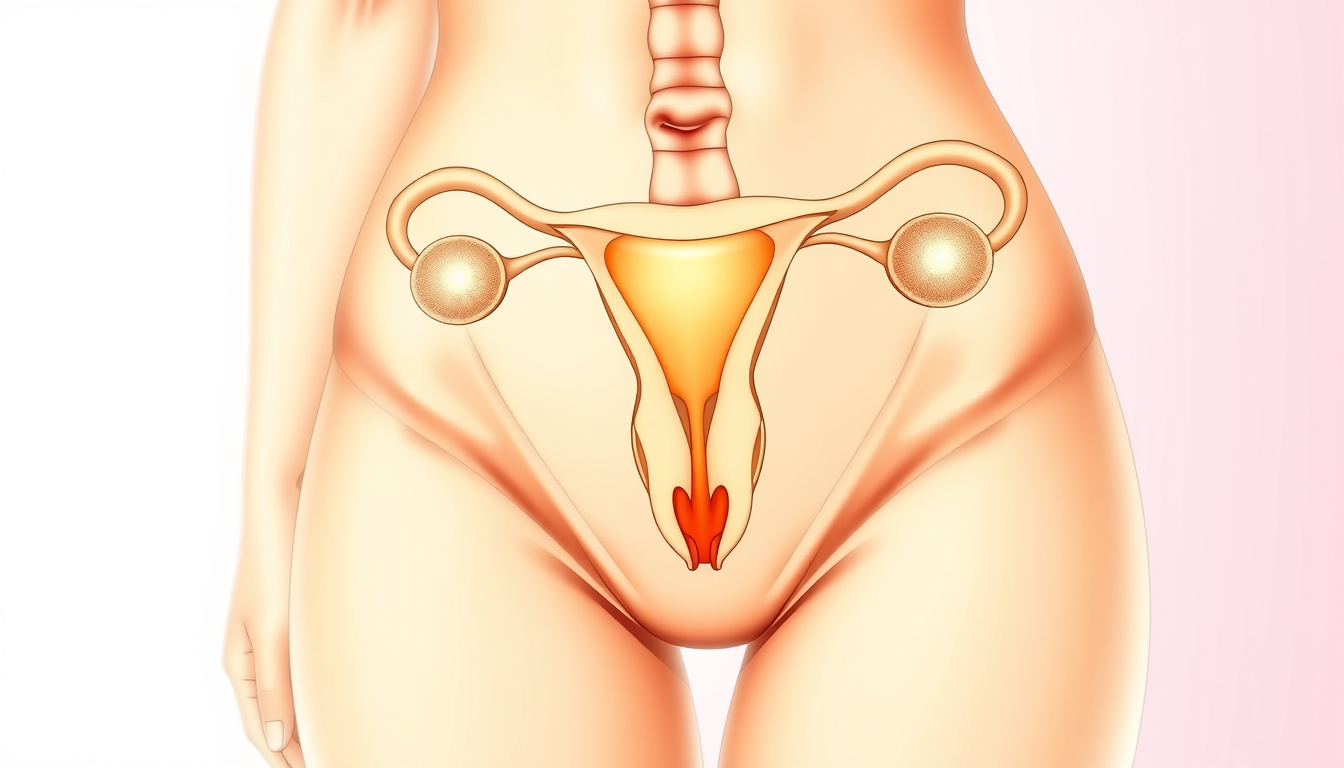
That dull ache or sudden cramp in your lower belly can send anyone spiraling through WebMD tabs, but for women and people assigned female at birth, the list of possible causes is long—though it can be organized. This article walks through the common origins by body system, pinpoints the signs that demand emergency attention, and explains how your age changes the odds.
Annual ER visits for lower abdominal pain in women: Approximately 10 million ·
Most common reproductive cause: Menstrual cramps (dysmenorrhea) ·
Women affected by endometriosis: About 1 in 10 women ·
Percentage of cases involving the urinary tract: Around 5-10% ·
Red flag symptoms requiring immediate care: Fever, vomiting, fainting, severe pain
Quick snapshot
- Menstrual cramps directly cause lower abdominal pain (PMC article: Systematic review of acute abdominal pain).
- UTIs cause lower abdominal and pelvic pain (University of Utah Health emergency department guidance).
- Appendicitis presents with right lower quadrant pain (NSW Health adult ECAT abdominal pain protocol).
- Ectopic pregnancy is a life-threatening cause of lower abdominal pain (NSW Health ECAT protocol).
- Exact mechanism of endometriosis in causing pain remains under investigation (PMC systematic review). (University of Utah Health)
- Role of uterine fibroids in pain without heavy bleeding is controversial (University of Utah Health).
- Why some women experience chronic pelvic pain without identifiable organic cause (NSW Health clinical protocol).
- Pain lasting more than 24 hours or worsening warrants immediate medical evaluation (NSW Health ECAT abdominal pain protocol).
- If you experience red flags, seek emergency care. For mild pain, schedule a primary care visit (University of Utah Health).
Five key facts capture the scope of lower abdominal pain in females across age groups and systems.
| Factor | Value |
|---|---|
| Most common cause in reproductive-age women | Menstrual cramps (affect up to 90% of women) (PMC review) |
| Leading gynecologic emergency | Ovarian torsion or ectopic pregnancy (NSW Health protocol) |
| Most common cause in women over 65 | Diverticulitis and urinary tract infections (University of Utah Health) |
| Percentage of ER visits for abdominal pain in women | Approximately 12-15% (PMC article) |
| Red flag with highest urgency | Signs of peritonitis (rigidity, rebound tenderness) (NSW Health ECAT protocol) |
What causes lower abdominal pain in females?
The causes span four main body systems, plus pregnancy-related conditions. Knowing which system is likely at play narrows the worry—and the next step.
What causes lower abdominal pain in females not pregnant?
- Reproductive: Menstrual cramps (dysmenorrhea), endometriosis, pelvic inflammatory disease (PID), uterine fibroids, ovarian cysts (PMC systematic review).
- Urinary: Urinary tract infections (cystitis), kidney stones, pyelonephritis, interstitial cystitis (University of Utah Health).
- Digestive: Irritable bowel syndrome (IBS), constipation, appendicitis, diverticulitis, gastroenteritis (NSW Health protocol).
- Musculoskeletal: Muscle strain, pelvic floor dysfunction (PMC systematic review).
Why this matters: For non-pregnant women of reproductive age, gynecologic causes are the most common, but urinary and digestive issues together account for roughly one-third of cases (University of Utah Health).
What causes lower left abdominal pain in females?
- Left-sided pain often points to: diverticulitis, irritable bowel syndrome, constipation, or ovarian cysts on the left ovary (NSW Health clinical protocol).
- In older women, a strangulated hernia or sigmoid volvulus may present on the left (PMC systematic review).
What causes lower right abdominal pain in females?
- Right-sided pain requires ruling out appendicitis first—especially if pain started around the navel and migrated (University of Utah Health).
- Other possibilities: right ovarian cyst, right kidney stone, or pelvic inflammatory disease (NSW Health protocol).
Location matters more than severity for narrowing the cause. Left-sided pain leans digestive; right-sided pain leans surgical (appendix). Midline cramps are typically menstrual. Diffuse pain suggests infection or IBS.
When to worry about lower abdominal pain in females?
Not every cramp is an emergency, but certain features should send you to the ER. The NSW Health adult ECAT protocol and University of Utah Health guidelines agree on the red flags.
When elderly people have abdominal pain?
- Adults over 50 face higher risk of diverticulitis, bowel obstruction, mesenteric ischemia, and abdominal aortic aneurysm (NSW Health ECAT protocol).
- The protocol flags “over 50 years” and “known abdominal aortic aneurysm” as historical risk factors that raise urgency (NSW Health clinical protocol).
- Elderly women often present with atypical symptoms—lack of fever despite infection—so a low threshold for imaging is advised (PMC systematic review).
If a woman over 65 has sudden abdominal pain, the possibility of a ruptured aortic aneurysm or strangulated hernia triples compared to younger women (NSW Health protocol). Don’t wait to see if it passes.
What causes lower abdominal pain in older females?
Age shifts the probability of certain causes. In women over 50, gastrointestinal and vascular conditions become more common, while reproductive causes (except ovarian cancer) decline.
What causes sudden abdominal pain over 65?
- Diverticulitis: Inflammation of small pouches in the colon, typically left lower quadrant (NSW Health protocol).
- Bowel obstruction: More likely with prior abdominal surgery (University of Utah Health).
- Mesenteric ischemia: Reduced blood flow to the intestine—can present as pain out of proportion to exam (PMC systematic review).
- Abdominal aortic aneurysm: Rupture is rapidly fatal; any sudden, severe abdominal or back pain in an older woman warrants immediate evaluation (NSW Health ECAT protocol).
The implication: In women over 65, sudden abdominal pain should be assumed to be a surgical or vascular emergency until proven otherwise.
What are the first warning signs of a stomach tumor?
- Early signs: persistent indigestion, bloating after meals, heartburn, nausea, loss of appetite (University of Utah Health).
- Later signs: unexplained weight loss, abdominal pain, dark stool, vomiting blood (PMC systematic review).
- Diagnosis: endoscopy with biopsy, CT scan, barium swallow (NSW Health protocol).
How is stomach cancer diagnosed?
- Upper endoscopy (gastroscopy) is the gold standard; biopsies are taken from suspicious areas (PMC systematic review).
- Imaging: CT of abdomen and pelvis to assess spread; endoscopic ultrasound for depth of invasion (University of Utah Health).
What are the risk factors for stomach cancer?
- H. pylori infection, smoking, family history, chronic gastritis, pernicious anemia, and diets high in smoked or salted foods (PMC systematic review).
What are the three red flags in abdominal pain?
Three clinical signs signal peritonitis or a surgical abdomen and demand immediate attention (NSW Health ECAT protocol).
- Abdominal rigidity: The belly feels hard when touched—a classic sign of peritonitis.
- Rebound tenderness: Pain when pressure is released, indicating peritoneal inflammation.
- Fever with localized pain: Suggests an infectious cause such as appendicitis, diverticulitis, or tubo‑ovarian abscess.
How to distinguish red flags from normal pain?
- Red flags: sudden onset, progressive, accompanied by vomiting, fever, or inability to pass stool (University of Utah Health).
- Normal pain: mild, intermittent, related to menstrual cycle or digestion, relieved by rest or over‑the‑counter medications.
The catch: Pain that wakes you from sleep or prevents you from finding a comfortable position is always a red flag, regardless of age.
What are the six pains you should never ignore?
These six pain scenarios require emergency evaluation or even a 911 call (University of Utah Health emergency guidelines).
- Sudden, sharp, or stabbing pain that reaches maximum intensity within minutes.
- Pain accompanied by fever above 38°C (100.4°F).
- Vomiting blood or material that looks like coffee grounds.
- Bloody or black, tarry stool (melena).
- Pain after a recent abdominal injury (car accident, fall).
- Pain during pregnancy—especially in the third trimester.
When to call 911 for abdominal pain?
- If the pain is severe, sudden, and associated with shortness of breath, confusion, fainting, or an inability to stand (NSW Health clinical protocol).
- Pregnancy plus abdominal pain is always a 911 situation until ectopic or preterm labor is ruled out.
What this means: The six pains are a shortlist, not an exhaustive set. Any pain that feels “wrong” or that you’ve never experienced before deserves at least a call to a medical professional.
Confirmed facts vs. what remains unclear
The medical literature has settled several core truths about lower abdominal pain in females, while other areas are still being investigated.
Confirmed facts
- Menstrual cramps directly cause lower abdominal pain and affect up to 90% of women (PMC systematic review).
- UTIs cause lower abdominal and pelvic pain, especially in younger and older women (University of Utah Health).
- Appendicitis presents with right lower quadrant pain and requires surgery (NSW Health protocol).
- Ectopic pregnancy is a life-threatening cause of lower abdominal pain that must be excluded in all pregnant women (PMC systematic review).
What’s unclear
- The exact mechanism of endometriosis in causing pain remains under investigation (PMC systematic review).
- The role of uterine fibroids in pain without heavy bleeding is controversial (University of Utah Health).
- Why some women experience chronic pelvic pain without an identifiable organic cause remains unknown (NSW Health protocol).
- The relationship between stress and pelvic pain is recognized but the exact mechanisms are still being studied (PMC systematic review).
“Endometriosis, pelvic inflammatory disease (PID), and uterine fibroids are common gynecologic causes of lower abdominal pain in women.”
— Cleveland Clinic (Cleveland Clinic gynecology department)
“Lower abdominal pain in females can stem from the digestive, urinary, reproductive, pregnancy‑related, or musculoskeletal systems.”
— Ubie Health (Ubie Health symptom checker)
“Lower abdominal pain can be caused by many conditions, including menstrual cramps, appendicitis (a medical emergency), infection, cancer, and the flu.”
— Healthline (Healthline medical review board)
The trade‑off: A quick trip to the doctor for mild, intermittent pain is rarely urgent—but it can catch endometriosis, fibroids, or IBS early. For sudden, severe, or progressive pain, the safest bet is an emergency department evaluation. For more on digestive symptoms, see our guide on Bowel Cancer Symptoms Female: Early Signs in Women.
syracuseherniacenter.com, ubiehealth.com, hcafloridahealthcare.com, allymedical.com, massgeneralbrigham.org
For a broader look at triggers beyond the most common ones, this guide on other causes of lower abdominal pain in women covers a wide range of conditions and warning signs.
Frequently asked questions
Can stress cause lower abdominal pain in females?
Yes, stress can trigger or worsen IBS, pelvic floor tension, and acid reflux, all of which cause lower abdominal pain. The gut‑brain axis is well‑documented (PMC review). If you experience bleeding after sex, see Bleeding After Sex No Pain – Causes and Next Steps.
Is lower abdominal pain normal during early pregnancy?
Mild, intermittent cramping can be normal as the uterus expands. But severe or persistent pain, especially with bleeding, requires immediate evaluation for ectopic pregnancy or miscarriage (NSW Health protocol).
What positions help relieve lower abdominal pain at home?
Lying on your side with knees curled toward the chest (fetal position) can ease cramps. A warm compress or heating pad on the lower belly may relax muscles (University of Utah Health).
How long does lower abdominal pain from a UTI last?
With antibiotics, pain typically improves within 24–48 hours. Untreated, symptoms can persist and worsen, potentially spreading to the kidneys (University of Utah Health).
Does lower abdominal pain always mean something serious?
No. Many causes are benign and self‑limiting (menstrual cramps, constipation, muscle strain). However, the pattern matters: new, severe, or progressive pain should not be ignored (PMC systematic review).
Can constipation cause sharp lower abdominal pain in women?
Yes, constipation can cause sharp, crampy pain, especially in the left lower quadrant. When the bowel is obstructed, the pain can be severe and mimic more serious conditions (NSW Health protocol).
What is the difference between ovarian cyst pain and menstrual pain?
Ovarian cyst pain is often sudden, sharp, and one‑sided, while menstrual cramps are dull, midline, and occur during the menstrual period. Large cysts can also cause bloating and pressure (University of Utah Health).
For millions of women each year, lower abdominal pain is a brief inconvenience. But for a significant minority, it’s the first sign of a condition that—caught early—is highly treatable. The choice for each woman is clear: know your body’s baseline red flags, and when something feels different, seek help promptly.
Related stories



Marcus Walsh is Politics & Public Affairs Editor, covering Westminster, councils and public policy.